Picture this: it's 7am, you're already running late, and you're standing in front of your closet pulling things out one by one because nothing is where you expect it to be. By the time you find what you're looking for, you're stressed, your closet looks worse than when you started, and the day hasn't even begun. Most of my clients come to me thinking they need more space, but the real issue is almost always how the existing space is being used. The right closet system fixes it at the source rather than adding more storage that doesn't solve anything.
A closet designed around the way you actually get ready changes the experience entirely. When everything has a place and the layout makes sense for your routine, the time and mental energy you used to spend searching disappears. A shift like that is enough to make mornings feel noticeably different.
Here's what a well-designed closet system can change about the way your day starts and ends:
- Everything has a place
- Mornings move faster
- Outfits are easier to plan
- Accessories are always where you left them
- Shared closets cause less conflict
- Seasonal transitions become smoother
- Closets stay organized longer
- Spaces feel calmer
None of these require a bigger closet, a bigger budget, or a complete lifestyle overhaul.
Everything Has a Place
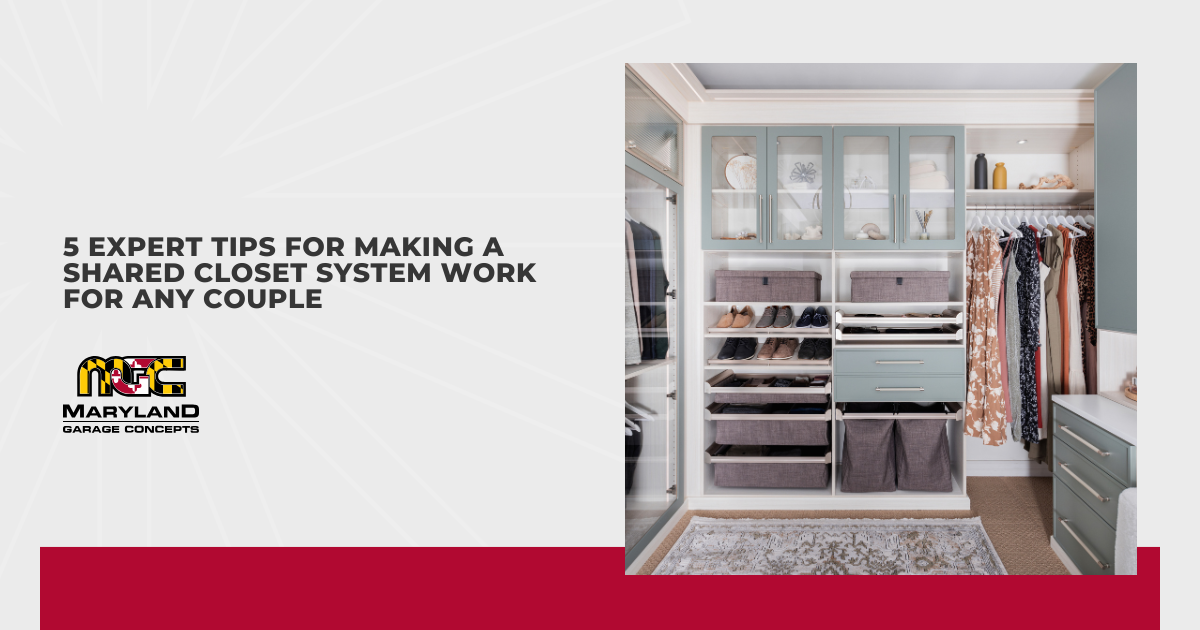
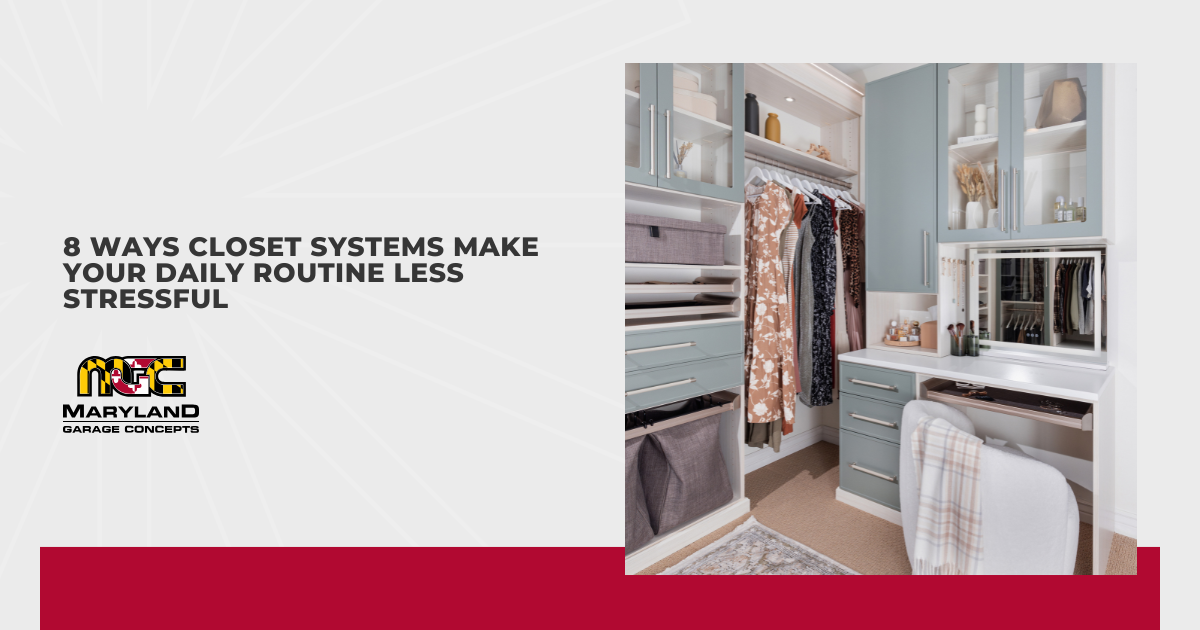
Without a clear organizational system, you're making decisions about where things go every single time you put something away. Closet systems eliminate that by assigning a specific home to every category of item, from double hang sections for shirts and jackets to dedicated drawers for folded clothing and accessories. When the layout is built around what you actually own, nothing ends up in a random pile or shoved into whatever space is available. Every item has a spot, and that structure is what makes the whole closet easier to use and keep tidy.
Walking into a closet where everything is in its place has a quieter benefit that most people don't expect. The mental energy you'd normally spend scanning and searching gets freed up for the rest of your day. Fewer micro-decisions before breakfast is a small thing that adds up more than you'd think.
Knowing exactly where everything lives changes how your mornings feel before you've even gotten dressed. No scanning, no pulling things out to look behind them, no starting the day already behind. A closet with a place for everything turns what used to be a daily source of friction into the easiest part of your morning.
Mornings Move Faster
A disorganized closet turns getting dressed into a decision-making exercise at the worst possible time of day. Clothes grouped by type, shoes displayed rather than piled, and accessories visible at a glance make the process of getting ready automatic rather than effortful. What used to take 20 minutes can realistically take five.
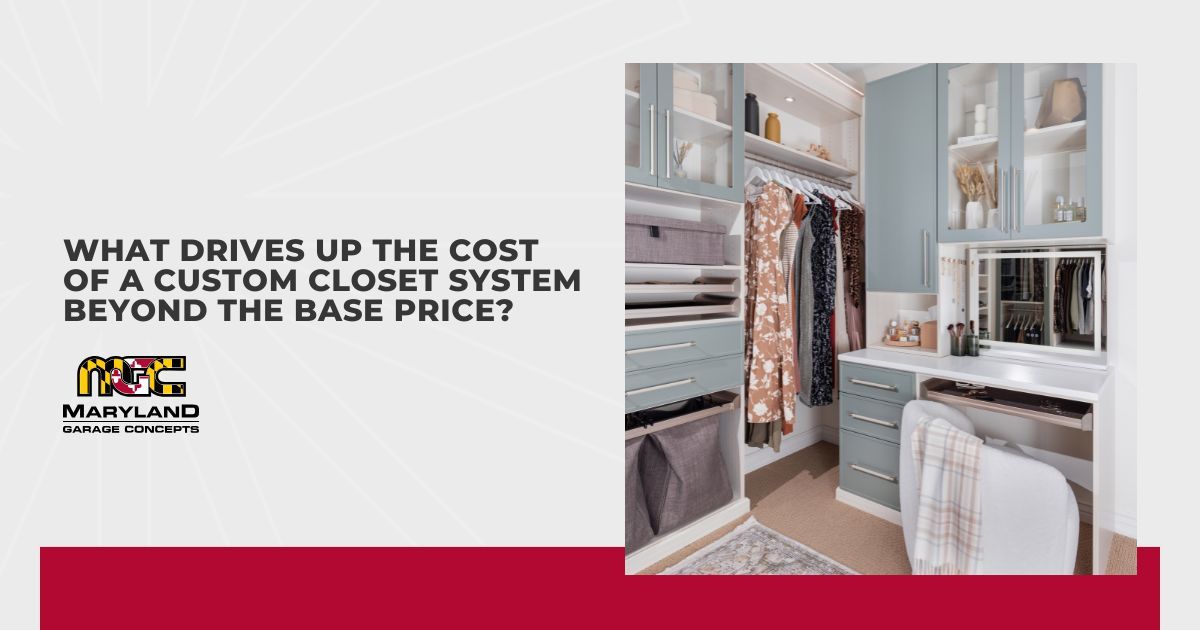
Closet systems built around your morning routine put the right features in the right places. Valet rods let you plan tomorrow's outfit tonight, so there's no decision to make when you're half asleep. Pull-out drawers for accessories, dedicated sections for work and casual clothing, and shoe shelving that lets you see every pair at once all eliminate the small friction points that slow mornings down.
The time savings are the obvious benefit, but clients often tell me it's the shift in how their mornings feel that surprises them most. Starting the day in a space that feels ordered rather than chaotic sets a calmer tone that carries well beyond the bedroom. In my experience, most people don't realize how much their closet was affecting their mood until it stops being a source of daily stress. Mornings that used to feel rushed start feeling like something you can actually get ahead of.
Outfits Are Easier to Plan
Putting together an outfit shouldn't feel like a puzzle, but it does when your clothing is scattered across different areas of the closet without any real logic to how it's organized. Closet systems create a layout where everything is visible, categorized, and easy to compare at a glance. Shirts hang together, pants have their own section, and dresses aren't buried behind things you only wear occasionally. Seeing your entire wardrobe clearly laid out in front of you makes it significantly easier to put together outfits that actually work.
Dedicated sections for work clothing, casual wear, and going-out pieces eliminate the mental work of sorting through everything every time you get dressed. Knowing exactly what you have and where it lives also makes you more likely to wear pieces you'd otherwise forget about entirely. A closet that shows you your full wardrobe is one that helps you get more out of the clothes you already own.
Valet rods take outfit planning a step further by giving you a dedicated spot to hang tomorrow's complete look tonight. Pre-planning your outfit the night before removes one of the most draining decisions from your morning altogether. For anyone who's ever stood in front of a full closet feeling like they have nothing to wear, that single feature alone is worth the investment.
Accessories Are Always Where You Left Them
Small items cause the biggest delays in the morning, and accessories are almost always the culprit. You know the feeling: a necklace that got tossed on a shelf, a belt that ended up on the floor, and a watch that's somewhere in a drawer. None of these should take more than a few seconds to find, but somehow they manage to derail your entire morning. The right closet system gives every category of accessory a dedicated home, and the difference that makes in your morning is hard to overstate.
Jewelry drawers lined with velvet or felt keep your delicate pieces protected, separated, and visible without having to dig through a tangled pile. Dedicated hooks for belts and scarves keep them accessible and in far better condition than folded or piled alternatives. Pull-out trays for watches, sunglasses, and smaller items mean nothing gets lost or buried under something else.
Bags and handbags deserve their own section too, displayed on open shelving where you can see every option at a glance rather than stacked on top of each other. Storing them properly also helps them maintain their shape over time, which is a practical benefit that goes beyond just knowing where they are. A section designed specifically for your bags means you're never moving three things out of the way just to grab the one you actually want. Accessories that have a proper home stop being the thing that makes you late.
Shared Closets Cause Less Conflict
Sharing a closet with a partner is one of those things that seems manageable until it isn't. Boundaries blur, space gets claimed without discussion, and before long one person's section has quietly expanded into the other's. What I've noticed time and again is that most shared closet frustrations aren't really about the closet itself but about the lack of a clearly defined system that works for both people. A properly designed closet system solves that by dividing the space intentionally, giving each person their own clearly defined zone that leaves no room for ambiguity.
Separate hanging sections, individual drawer banks, and dedicated shoe storage for each person eliminate the daily friction that comes with sharing the same space. When boundaries are built into the design rather than agreed upon verbally, they're far more likely to hold up over time. A shared closet that works for both of you feels less like a compromise and more like a space that was designed with both of you in mind.
Matching the layout to each person's wardrobe and storage needs rather than splitting the space down the middle is what makes the real difference. One of you might need more hanging space while the other needs more drawers, and a well-designed closet system can account for that without either person feeling shortchanged. Fairness built into the design is what keeps the peace long after installation day.
Seasonal Transitions Become Smoother
If rotating your wardrobe between seasons feels like a half-day project, you're not alone. Heavy sweaters, winter coats, and boots shouldn't be competing for the same space as the lightweight clothing you reach for every day. A closet system with clearly defined sections for out-of-season items makes the whole transition faster and far less disruptive. Swapping seasonal items in and out takes minutes rather than an entire afternoon when everything has a designated home.
High shelving and deep storage sections are ideal for out-of-season clothing you don't need daily. Clear bins with labeled contents mean you always know what's up there without having to pull everything down to check. Knowing exactly where things are saves more time than you'd expect when the seasons change.
Seasonal accessories like scarves, hats, and gloves need a proper home too, not just whatever space is left over at the end of the season. A dedicated drawer or labeled section keeps these items easy to find when the weather shifts. Transitions that used to take hours start taking minutes when everything has somewhere to go.
Closets Stay Organized Longer
One of the biggest frustrations with generic storage solutions is that they look great for about two weeks before everything starts sliding back into chaos. Closet systems are different because the organization is built into the design rather than layered on top of it. When every item has a clearly defined home that makes sense for the way you use your closet, putting things back where they belong becomes the path of least resistance.
Adjustable shelving, dedicated zones, and purpose-built storage for specific categories of items all make it easier to maintain the system without thinking about it. A closet that's intuitive to use is one that stays tidy with far less conscious effort. The right layout does most of the work for you.
Generic storage solutions fail because they ask you to adapt to them rather than the other way around. A closet system built around your wardrobe, your habits, and your daily routine removes the friction that causes most organization attempts to unravel. Maintenance stops feeling like a chore and starts feeling like a natural extension of how you use the space. The longer your closet stays organized, the less time and energy you spend managing it, and that cumulative effect adds up significantly over time.
Spaces Feel Calmer
There's a reason walking into a well-organized closet feels different from walking into a chaotic one, and it goes beyond just aesthetics. What you see first thing in the morning sets the tone for how the rest of your day begins, and a cluttered, disorganized space creates a kind of low-level stress that's easy to overlook until it's gone. Most of my clients are genuinely surprised by how much calmer their mornings feel once their closet is no longer a source of visual noise.
A visually organized closet reduces the number of decisions your brain has to make before you've even gotten dressed. Everything is where it should be, nothing is competing for your attention, and the space feels like it's working with you rather than against you. Research on environmental psychology consistently shows that cluttered spaces elevate stress levels and make it harder to focus. Removing that clutter from the first space you interact with every morning has a ripple effect that carries through the rest of your day.
Calm isn't just about how a space looks, it's about how it makes you feel when you're in it. A closet that's been designed with intention creates a sense of order that's hard to put into words until you've experienced it. Starting and ending each day in a space that feels peaceful is one of those small things that matters more than most people expect
Conclusion
Most people don't realize how much their closet is affecting their daily routine until it stops being a problem. Stress, wasted time, and morning frustration have a way of quietly disappearing when the space you start and end your day in actually works the way it should. The version of your morning that feels calm, quick, and under control isn't as far off as it might seem. It often starts with something as straightforward as a closet that was built around the way you actually live