
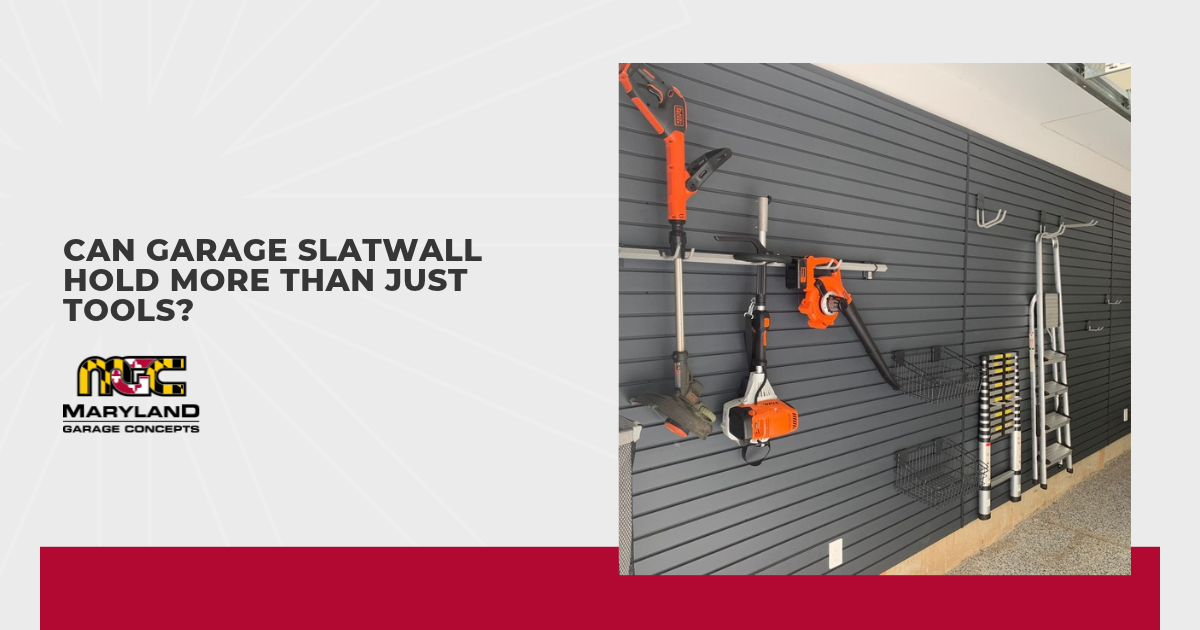
Find out what garage slatwall can hold beyond tools, from your sports gear and bikes to hoses and holiday bins, and when another storage solution fits better.
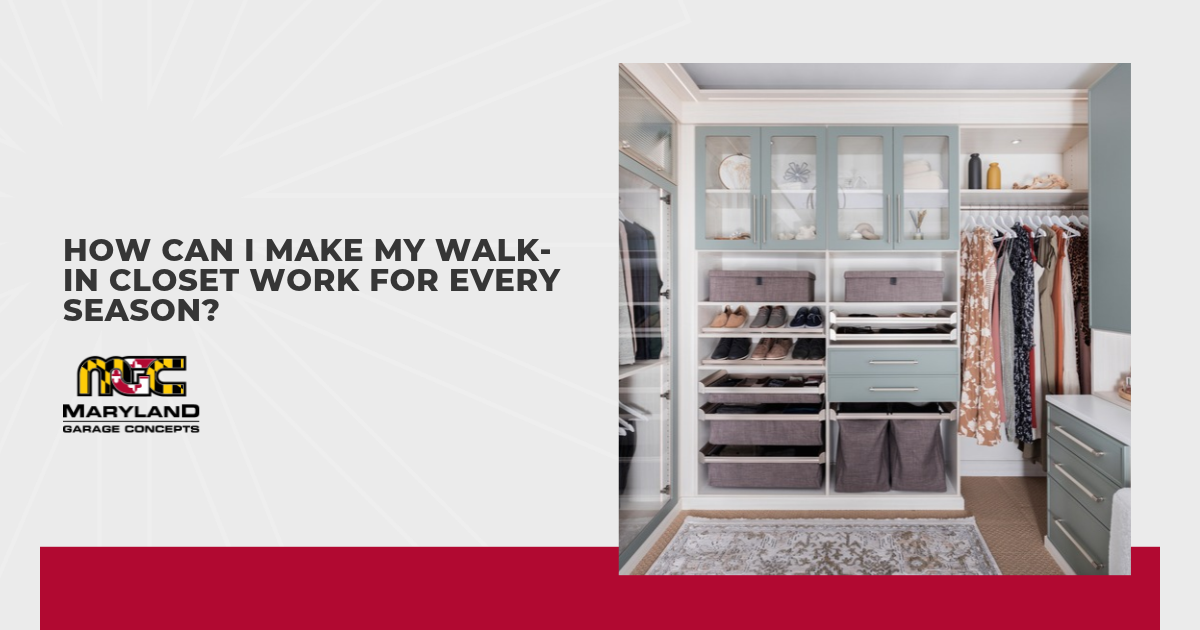
Some mornings call for a sweater, while others have you reaching for a lighter shirt. It's frustrating when the clothes you need are packed away and the ones you won't wear are still taking up space. I don't think making walk-in closets work year-round should require a complete reset every few months. Keeping daily favorites in familiar places and giving seasonal items room to rotate can make the change much easier. Maryland winters mean bulky sweaters that need more shelf space than T-shirts, and tall boots that won't fit every shoe opening. In a shared closet, one person may also have far more seasonal clothing than the other. Allowing for those differences gives each of you somewhere to put things without squeezing everything into the same arrangement every season. Sometimes that means adjusting a shelf, while other situations call for moving clothes you won't wear for several months into separate storage. Seasons change, but a walk-in closet can keep up when its layout gives each kind of clothing room to move. I share these decisions so you can spot which ones your closet needs most: Plan for your bulkiest season Keep everyday clothes and light layers within reach Use shelves and hanging sections that can adapt Make room for boots, shoes, and seasonal accessories Choose an accessible place for off-season clothes Prepare clothing before putting it away Follow a simple seasonal reset An easy place to spot what needs attention is the part of your wardrobe you always struggle to fit.
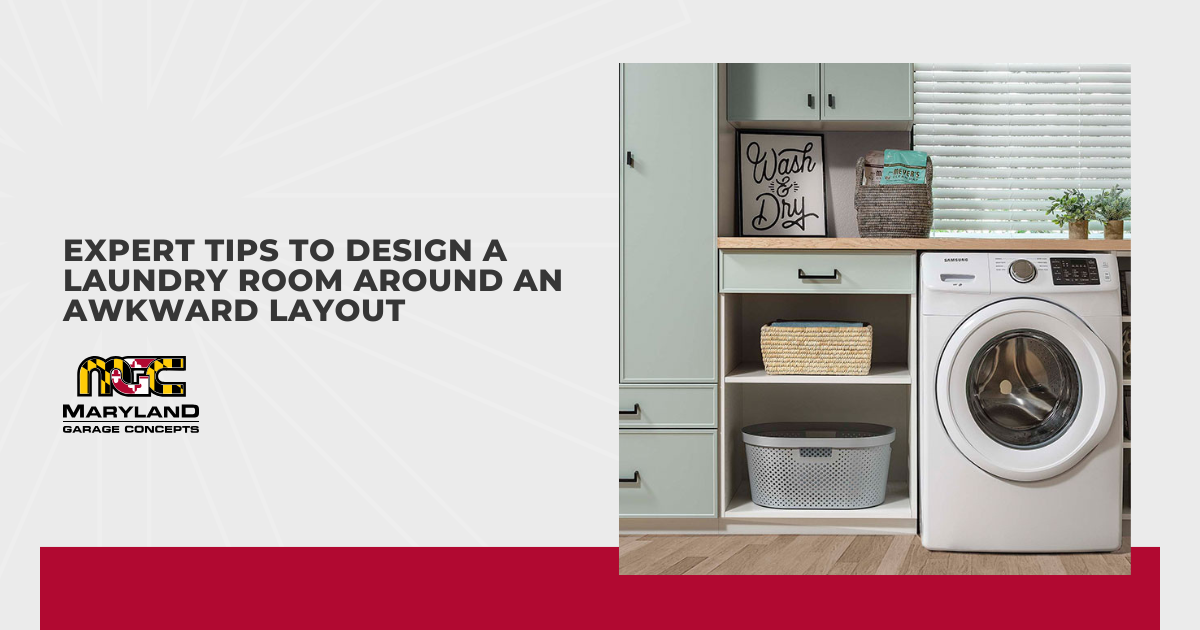
Get practical laundry room design tips for working around tight spaces, fixed features, appliance clearances, difficult corners, and unusual room layouts well.
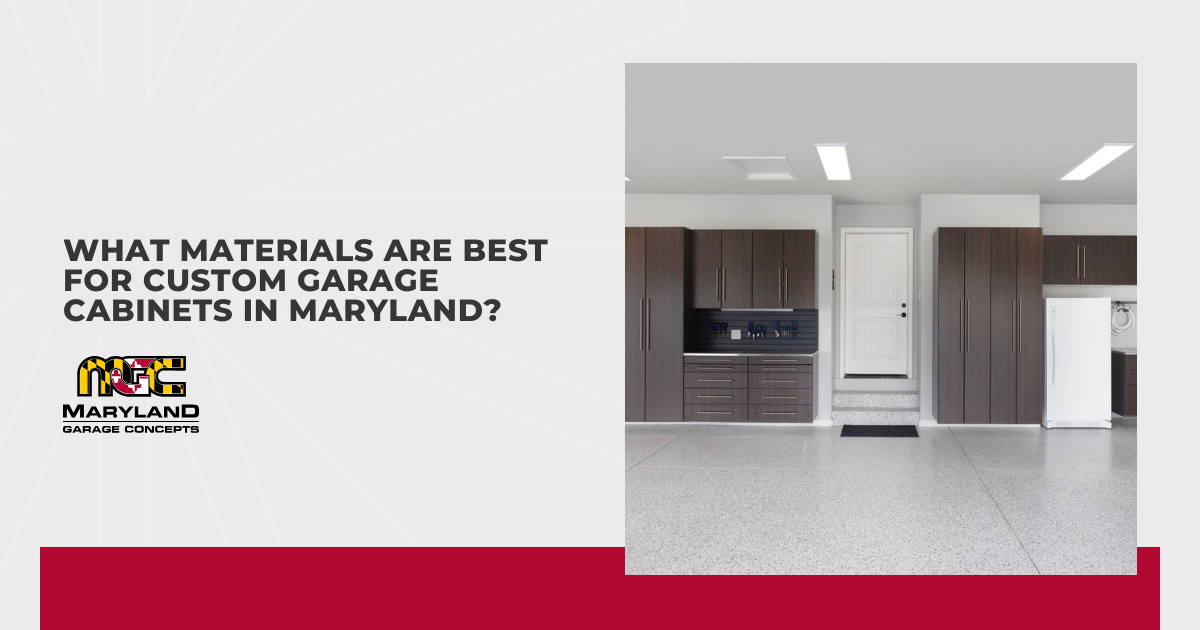
Compare garage cabinets made from melamine, plywood, and powder-coated steel to choose the right material for your Maryland garage, storage needs, and budget.
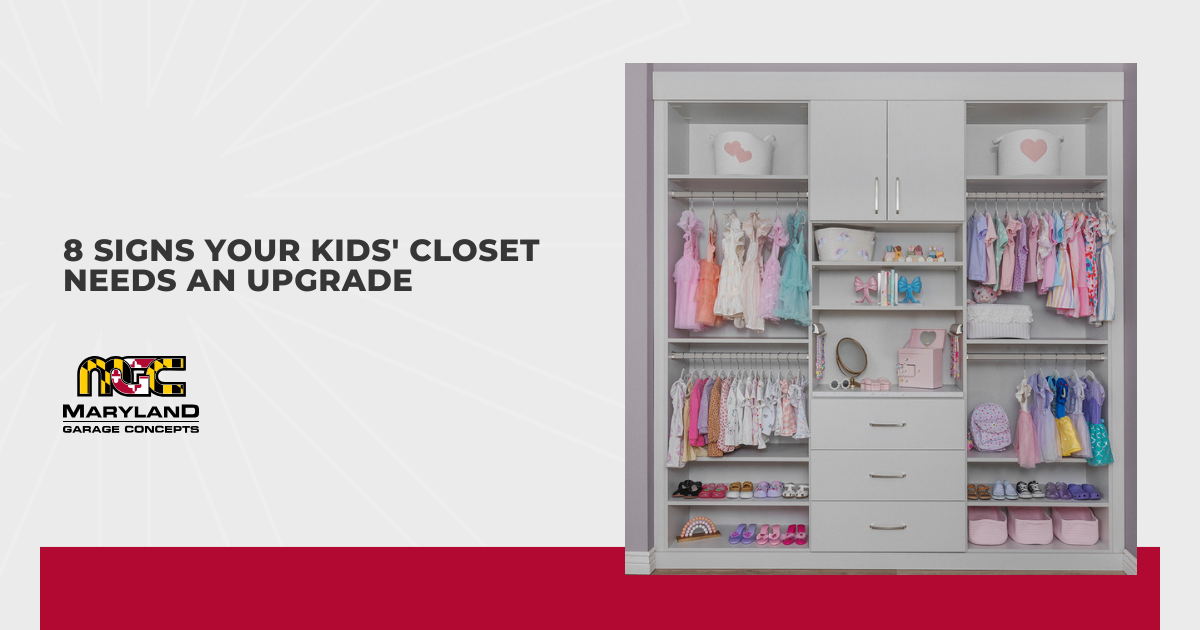
Spot the warning signs your kids' closets are falling behind and learn practical upgrades to keep storage organized and functional as your child keeps growing.
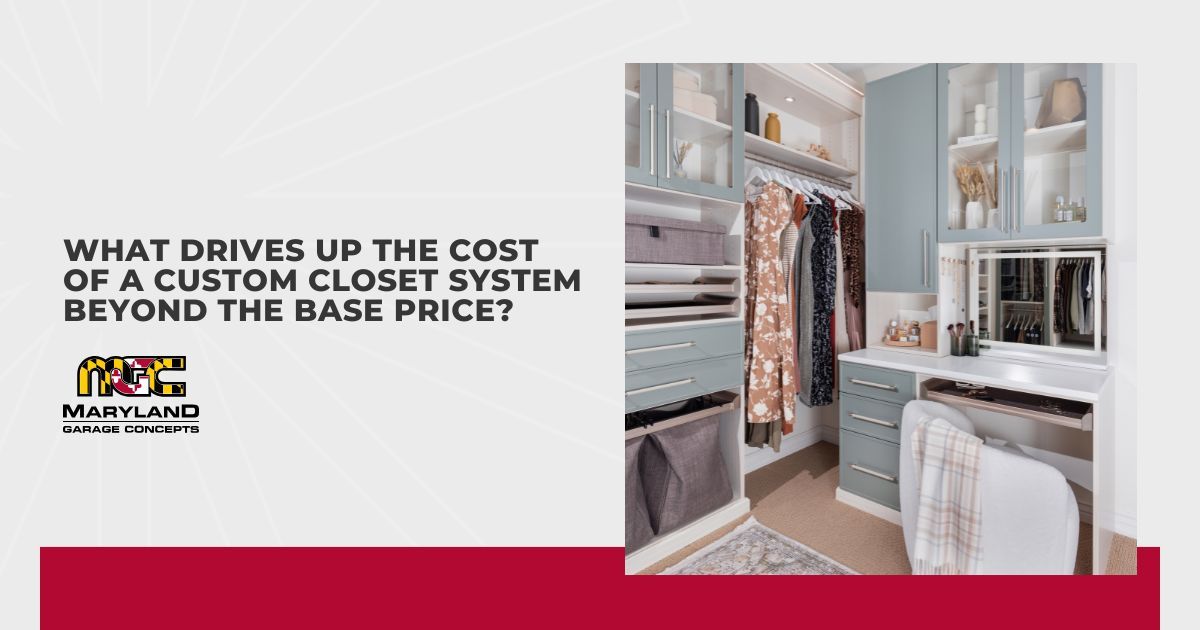
Find out exactly what pushes your final quote for a custom closet system well past square footage, from material upgrades to added premium storage accessories.
