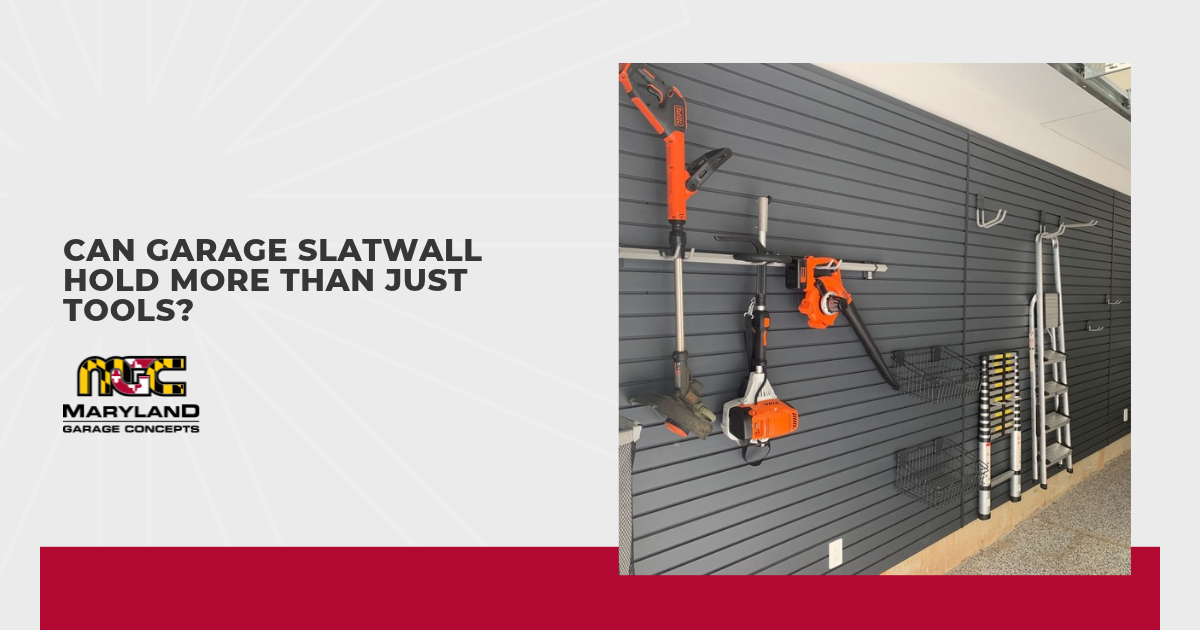
Maybe you've seen a wall full of neatly arranged tools and thought, "It looks great, but I don't have much to hang up." Beyond tools, garage slatwall can hold plenty of the things you use for sports, outings, and everyday tasks. I put as much thought into finding a spot for your folding chairs and bike helmets as I do for drills and screwdrivers. Even belongings that seem awkward to store may work on the wall with a well-matched basket, shelf, or holder.
Before a game, a bike ride, or an afternoon by the water, you gather gear that tends to come home to different corners of the garage. Keeping related gear together can save you from hunting for one missing item when everyone else is ready to leave. Helmets, folding chairs, and beach balls each hang or sit differently, so one hook style won't serve them all. Putting things back shouldn't take more effort than taking them down, or that equipment may land on the floor again.
Gear asks something different of garage slatwall, so I'll walk you through each kind and the accessories that keep it in place:
- Sports equipment without the floor pile
- Bikes, helmets, and riding accessories
- Folding chairs and outdoor recreation gear
- Household supplies that never seem to have a home
- Seasonal decorations and lightweight storage bins
- Hoses, cords, and other tangle-prone items
- Items that need a different storage solution
Sports gear is a good starting point, especially if finding the ball takes longer than getting ready to play.
Sports Equipment Without the Floor Pile
Loose balls have a way of rolling under the car, while bats and rackets end up leaning wherever there's room. Putting everything in one large bin may clear the floor, but smaller pieces often disappear at the bottom. With garage slatwall, you can give each type of equipment its own spot using baskets and holders. Open baskets hold balls, holders cradle bats and rackets, and sturdy hooks carry sports bags. Space between items makes it easier to grab one without knocking another loose.
Gear on the wall is the easy part, so I use a simple test for sports storage: could the person who uses it put everything away without help? For children, a basket they can reach is more useful than a shelf that needs an adult every time. Width counts too, since a ball should slide in without squeezing past other gear. Tired legs after practice won't bother with a two-step put-away.
Packing is the other half of the routine, and grouping equipment by sport speeds it up when it's time to leave. Baseball gloves can sit in a bin near the bat, with room for a pouch of smaller accessories. Gloves and pads that come home damp shouldn't be zipped into a closed bag before they dry. They can wait on a spare hook in the meantime, keeping the dampness away from everything else.
Bikes, Helmets, and Riding Accessories
Bikes take more thought than a basket of gloves or a holder of rackets. Hanging a bike clears floor space, but lifting one onto a high hook can be more work than you'd expect. Height depends on who rides each bike and how comfortably they can lift it. Several bikes can use up a surprising stretch of wall, so the headcount matters too.
Next comes the holder, which matters as much as the height and the headcount. Bike hooks for garage slatwall come with weight limits and fit rules, and both have to line up with your bike and your panels. Vertical hooks save wall width but need more height, while flat hooks do the opposite. Manufacturer instructions spell out how the bike is supported and how the holder goes in, so there's no guessing. For a bike too heavy to lift comfortably, a floor stand is often the easier answer.
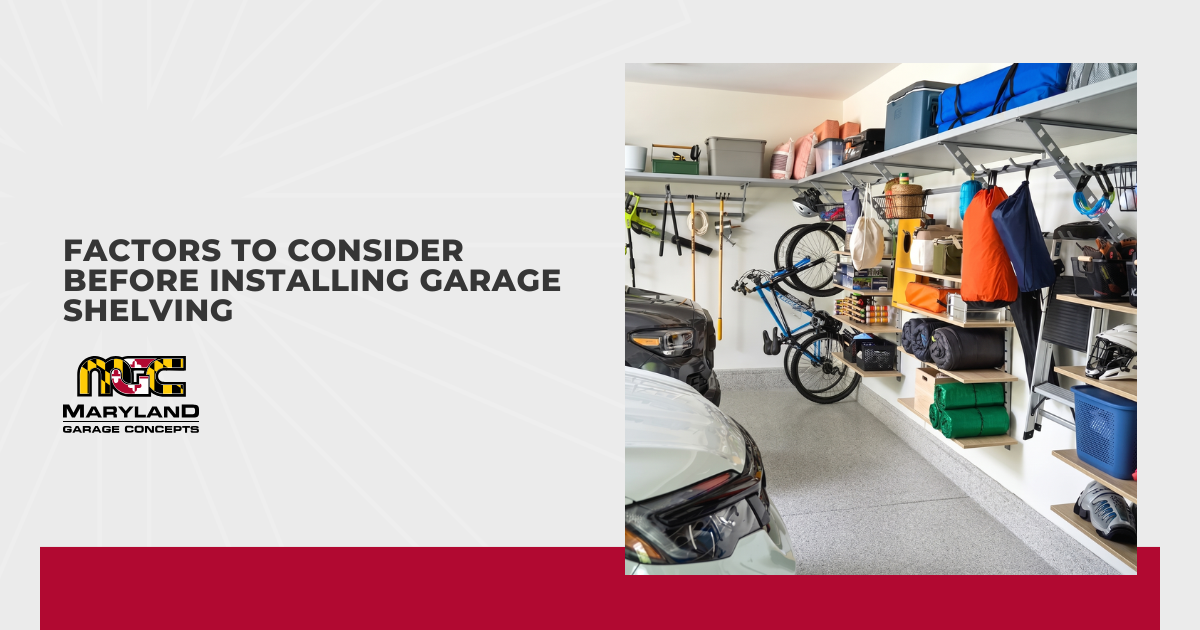
Either way, helmets can sit on a nearby shelf, with gloves and bike locks in a small tray. Keeping those accessories beside the bike saves a separate search before a ride. I follow the bike's route from its storage spot to the garage door, with the car parked where it normally sits. Handlebars and pedals reach farther into the garage than most riders remember, and they're easy to catch a shin on at eye level. Any bike that won't come out without moving several things first needs a new spot.
Folding Chairs and Outdoor Recreation Gear
Folding chairs pose the same puzzle as bikes in a lighter package: handy for a backyard gathering or a weekend away, awkward to store between outings. Leaning several against the wall often means catching the whole stack when you only wanted one. Camping gear adds another challenge because bulky pieces and small supplies rarely fit neatly together. I prefer to separate those by size, giving chairs their own supports and smaller camping items a basket close by. Everything can stay in the same area without turning into a heap.
Slatwall utility hooks designed for lawn chairs can support a folded chair by its frame. Folded shape matters, since armrests and hinges can change how a chair rests on the holder. Hanging several together makes the back ones harder to remove, and nobody's eager to unhook the whole row for one chair. Individual spots are easier when everyone grabs their own chair, because one chair doesn't pull the rest along.
Longer recreation gear plays by different rules. Specialty holders on garage slatwall can cradle fishing rods and similar items that don't sit neatly on a shelf. Space around the rod tips keeps them from catching when nearby gear gets moved. Small tackle belongs in a closed box, since loose hooks in an open basket find fingers and fishing line alike. Keeping that box close puts the whole fishing kit in one grab.
Household Supplies That Never Seem to Have a Home
Weekend gear isn't the only thing that scatters, since ordinary items get set down between errands and chores too. Small, specific spots on the wall can give those items somewhere to return to.
- Reusable shopping bags:
Folded bags fit in a shallow basket near the door you use when loading the car. Baskets work as a built-in limit, so spare bags don't take over the corner.
- Pet walking supplies: One hook for the leash and a basket for waste bags can make leaving for a walk simpler. Keeping them together saves you from finding out the bag roll is empty once you're already outside.
- Car washing supplies:
Empty buckets can share a spot with a basket of clean, dry sponges and wash mitts. Separating these from dirty brushes helps keep grit away from the supplies used on painted surfaces.
- Gardening odds and ends: Plant ties, labels, and spare gloves fit in a small container, while a kneeling pad hangs from a hook. Having a place for these little pieces keeps them from vanishing among larger garden equipment.
I choose the holder by size and the group by task, so a leash, a car mitt, and a pair of garden gloves never end up in one bin. Small areas of garage slatwall can then hold what you need for one job without becoming a catchall for unrelated belongings.
Seasonal Decorations and Lightweight Storage Bins
Holiday decorations are the opposite case, taking up a surprising amount of space for something used only a few weeks each year. Shelves made for garage slatwall hold small bins of lightweight decorations, as long as the loaded containers stay within what the shelf is rated to carry. Wreaths and garland hang from wide hooks that protect their shape. Shallow bins let you see the contents without digging, and outward-facing labels tell fall decorations from winter ones at a glance. Bulky decorations need clearance to come off the wall without dragging a neighbor along.
"Lightweight" has to describe the filled bin, and the empty container tells you very little. Boxes of fabric decorations and ceramic ornaments can look alike while placing very different loads on a shelf. I count the container and everything inside it against the shelf's rating, then check the panel and its installation requirements. Accessories carry separate limits, so a panel's advertised capacity alone doesn't tell you what one shelf can hold.
Hoses, Cords, and Other Tangle-Prone Items
After the boxes and bulky gear have a place, loose coils can still leave the garage looking cluttered. Garden hoses draped over other equipment tend to come away with more than you meant to grab. Extension cords can't help tangling when several are looped together. Separate holders let each coil come down without disturbing the others.
How much hose or cord you have sets the size of holder you need. I look for a holder deep enough to support the whole coil without loops spilling over the front. Anything that's too small turns putting things away into a balancing act. Space beside the holder leaves room for your hands to lift the coil off.
Reusable straps can keep a stored extension cord together, with its ends easy to find. Hoses stay lighter on the hook when they drain first, since water adds weight. Ropes used around the yard do best in loose loops, each length on its own holder. Hung on garage slatwall, holders can sit near where those items get used, so long as they don't block doors or walkways. Cords hang best unplugged between uses, ready to come down as one bundle.
Items That Need a Different Storage Solution
Holders solve a lot, but some belongings are easier to store elsewhere. Part of choosing what goes on garage slatwall is spotting when an open hook, basket, or shelf can't support or protect an item
- Large, heavily packed containers: Deep totes full of dense items do better on a separate rack rated for the load, or on a sturdy floor shelf. Balancing a large container on a small accessory is asking for a spill.
- Awkward items without a secure resting point: Objects light enough for a hook can still slip or tip because of their shape. If no holder made for them grips them properly, a bin or another spot makes more sense.
- Fragile or easily scratched belongings: Glass decorations and delicate pieces need protection from bumps and scratches as people move nearby equipment. Padded containers inside a cabinet suit them better than an exposed wall shelf ever could.
- Items with specific storage requirements: Products whose labels call for indoor storage belong in a closet or room inside the house. Moving them from the garage floor to the wall doesn't change the conditions around them.
- Belongings that crowd essential access: Even a well-supported item is out of place if it blocks an electrical panel, a doorway, or access to equipment. Keeping those areas clear is worth the wall space it costs.
Leaving a few things off the wall doesn't mean the storage plan has fallen short. I point to a cabinet or freestanding rack whenever it makes a particular item easier to protect, support, or handle.
Conclusion
Even with a few limits, chairs, helmets, and household supplies can hang on a garage wall as easily as tools do. I choose what goes on the wall by noticing which items keep getting in the way. Chances are the list is short, and that's a manageable place to begin. Everyday gear can finally have a home on garage slatwall once well-matched accessories and enough room to reach it are in place.
Recent Posts