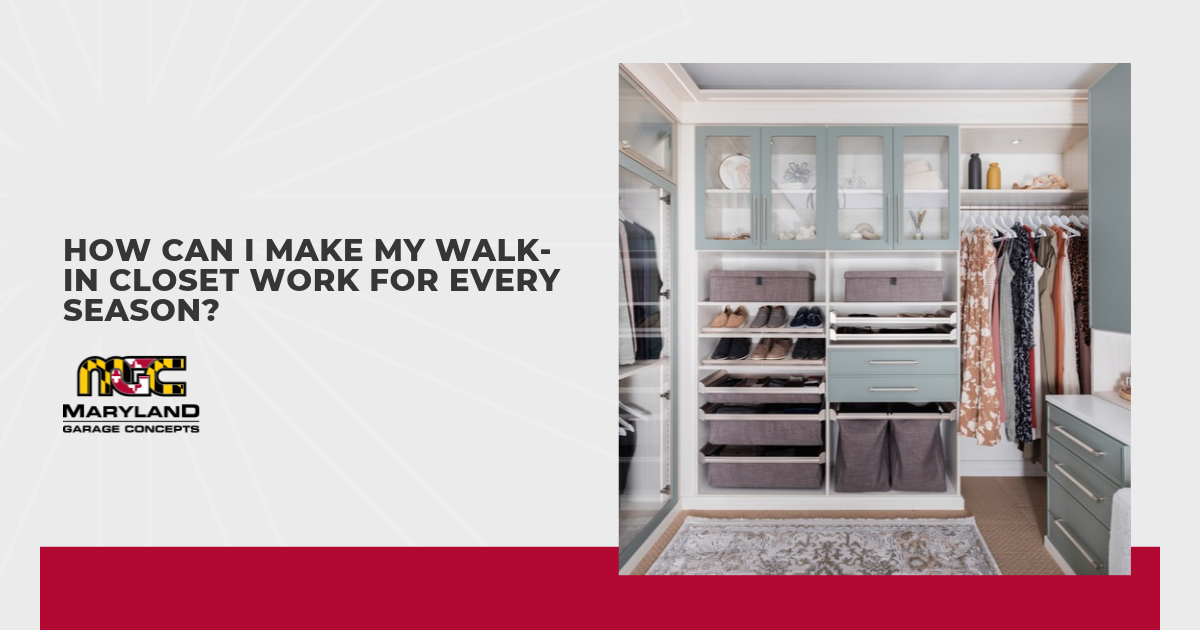

Some mornings call for a sweater, while others have you reaching for a lighter shirt. It's frustrating when the clothes you need are packed away and the ones you won't wear are still taking up space. I don't think making walk-in closets work year-round should require a complete reset every few months. Keeping daily favorites in familiar places and giving seasonal items room to rotate can make the change much easier.
Maryland winters mean bulky sweaters that need more shelf space than T-shirts, and tall boots that won't fit every shoe opening. In a shared closet, one person may also have far more seasonal clothing than the other. Allowing for those differences gives each of you somewhere to put things without squeezing everything into the same arrangement every season. Sometimes that means adjusting a shelf, while other situations call for moving clothes you won't wear for several months into separate storage.
Seasons change, but a walk-in closet can keep up when its layout gives each kind of clothing room to move. I share these decisions so you can spot which ones your closet needs most:
- Plan for your bulkiest season
- Keep everyday clothes and light layers within reach
- Use shelves and hanging sections that can adapt
- Make room for boots, shoes, and seasonal accessories
- Choose an accessible place for off-season clothes
- Prepare clothing before putting it away
- Follow a simple seasonal reset
An easy place to spot what needs attention is the part of your wardrobe you always struggle to fit.
Plan for Your Bulkiest Season
Winter may be when your closet feels fullest, especially if you keep coats and thick knitwear there. Summer can be as demanding if you've got separate clothes for work, exercise, vacations, and weekend activities. What matters is which combination takes up the most room at once. Seeing those clothes together tells me more than a garment count, since five heavy sweaters need much more space than five lightweight tops.
Any clothing you plan to keep in the closet belongs in that review, including pieces currently tucked away in another room. Hanging pieces need to sit on the rod without being pressed tightly together, and that spacing shows how much room they're really taking. Folded items deserve the same attention, with enough room to remove one piece without pulling down the whole stack. If everything fits only when it's squeezed in, the arrangement will be frustrating to use on a busy morning.
For shared walk-in closets, dividing the space equally won't always suit both wardrobes. One person might need more room for long garments, while the other has mostly folded clothing. Their busiest seasons should help determine how much hanging and shelf space each receives. Clothes that already have a good home elsewhere, such as coats kept near the front door, can stay there without adding to the closet's load.
Keep Everyday Clothes and Light Layers Within Reach
Regular work outfits and other clothes you wear in most months can stay in their usual places. Seasonal swaps then involve only the things whose use has changed, such as shorts or heavier knitwear. Within walk-in closets, those everyday items belong in the drawers, rods, or shelves you can reach comfortably. High shelves work poorly for anything you're grabbing several times a week.
During the weeks between seasons, a small selection of layers can sit beside your current clothing. Cardigans, light jackets, and sweatshirts may still get plenty of use even after your heavier coats are stored. I decide what stays handy by how recently it's been worn and whether there's a likely reason to wear it again soon. Upcoming trips or a cold office may justify keeping something out longer than the weather alone would suggest. There's no need to move it because a new month has started.
Spare room in that area keeps an extra layer from crowding what's already there. When the space starts filling with things you're saving in case of a chilly day, the ones you've actually reached for show what's worth keeping close. Two versatile layers often cover most of what you need without keeping an entire season's clothing nearby. Everything in that area helps you get dressed for the day ahead once the rarely worn ones have moved farther back.
Use Shelves and Hanging Sections That Can Adapt
Shelf spacing that suits thin summer tops can feel cramped once folded sweaters take their place. Adjustable shelves let you raise or lower an opening as the contents shift. I'm happy to leave some space unused in summer if it gives winter clothing enough room later. Filling every gap now can leave you with nowhere to put bulkier pieces when they return.
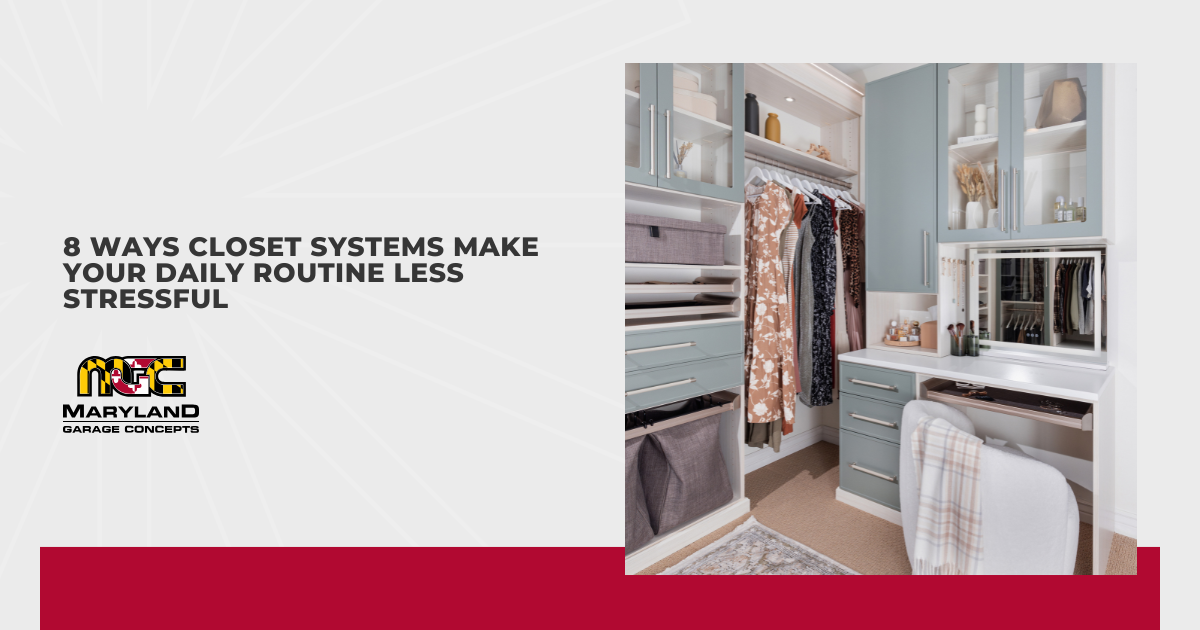
Hanging areas in walk-in closets need the same flexibility, especially if you're switching between shorter clothing and longer garments. With a removable lower rod, one section may go from two levels of short hanging space to a single space for coats or dresses. It only works when the system was built for that swap. I confirm which rods adjust, what comes out, and whether tools are involved before a layout is final.
Drawers can take on new jobs while the cabinetry around them stays as it is. Removable dividers let you rearrange compartments when swimwear gives way to scarves or other small items. Permanent partitions aren't much use if the contents vary greatly in size. Where the contents barely change, such as everyday shoes or socks, a fixed arrangement already does the job. Removed rods and spare dividers need somewhere to live, or they end up in the way.
Make Room for Boots, Shoes, and Seasonal Accessories
Shoes and smaller accessories can end up scattered when their usual spots no longer suit the season. Giving each category enough room keeps gloves from disappearing behind bags and boots from taking over the floor.
- Boots and taller footwear: Tall boots require an opening that clears their full height, with room to lift them out comfortably. Sections holding several pairs of sandals may call for a different arrangement when boots return.
- Everyday shoes: Pairs you're wearing this week get the easiest access. Less-used footwear can move to another shelf or a storage container, leaving enough room to see and remove your regular choices.
- Scarves, gloves, and hats: Small compartments or removable bins can keep loose accessories from mixing together. Grouping items by person may be more convenient when a closet is shared than putting everyone's gloves into one container.
- Seasonal bags and accessories: Beach totes, winter hats, and occasional-use bags often get their own space because of their shapes. Organizers help only when you can remove the item without squeezing or bending it to fit.
I wouldn't buy a full set of organizers until you know which belongings need help staying in place. In walk-in closets, a few containers chosen for specific items may be easier to manage than filling every shelf with matching bins.
Choose an Accessible Place for Off-Season Clothes
Off-season clothing can sit out of daily rotation without becoming difficult to retrieve. Special events, travel plans, or a sudden change in weather may send you looking for something months before you expected to need it. Upper shelves suit lighter items you need only a few times a year, such as formalwear, when you can reach them safely. Step stools kept inside the closet make high shelves safer to use. Heavy coats and boots sit better below shoulder height, where they don't have to be lifted overhead.
Container size makes a difference here, because a bin that fits the shelf may still be difficult to handle once it's full. I rule out a storage spot if reaching one box means taking down several others first. Smaller containers grouped by clothing type make retrieval easier, as long as they hold the garments without excessive packing. Labels such as "winter scarves" or "summer shirts" tell you more than a broad label like "seasonal." Clear bins show the contents at a glance, though opaque ones keep a shelf looking calm.
Smaller closets may work better when some off-season clothing lives in another part of the house. Under-bed containers or another indoor closet could work, depending on the space and the garments' storage needs. Consistent locations for each group mean you don't have to remember where you put things last time. Keeping everything in one walk-in closet offers little convenience if the clothes you wear now become crowded and hard to reach.
Prepare Clothing Before Putting It Away
Items that look ready to pack may still need cleaning or attention to a loose button, damaged zipper, or stain. Care labels name the cleaning method that suits each garment before it goes into storage. For wool, Woolmark advises storing garments clean because food stains and body oils can attract moths. Finishing those small jobs now means the clothes are ready the day you need them again.
Garments go into storage best when fully dry, including thicker areas that may take longer to dry. Shoes and boots get the same wait, because anything stored damp invites mildew. Closets that smell musty or feel damp call for attention before any clothes go in, since EPA guidance is to keep indoor humidity below 60 percent, ideally between 30 and 50. Woolmark's storage advice points to breathable cotton or wool bags as the safer choice for delicate clothing, even though vacuum packing saves more space. Compression bags shouldn't be the default for every bulky item, and the clothing maker's guidance settles whether a given garment can take them.
Hanging and folding choices shape how clothes look when they come out of storage. Inside a walk-in closet, Woolmark recommends folding knitted wool garments and using shaped or padded hangers for woven wool pieces. Knits left on hangers tend to stretch, so folded stacks suit them better. I leave extra room in the storage plan for clothing that needs gentler handling. Cramming a favorite sweater into the smallest possible package isn't much of a saving if it comes out misshapen.
Follow a Simple Seasonal Reset
Seasonal changes are easier to finish when you can work through them in small parts. Progress doesn't require emptying every shelf and drawer in a walk-in closet before the first swap happens.
- Wear review: Anything you repeatedly passed over gets a quick decision before it goes back into storage. It may need a repair, no longer fit, or be something you don't want to keep.
- Category rotation: Shoes, folded tops, and hanging clothes can each be handled separately. Finishing one group before starting another keeps the rest of the closet usable if you run out of time.
- Access shift: Items you expect to wear soon move into the spaces left by outgoing clothing, which keeps the swap quick. Last season's pieces go straight to their storage spot, so nothing lingers on the floor.
- Labels and problem notes: Container labels work best when they reflect what you've actually packed, especially if the contents changed. Notes about shelves that stay crowded or bins you avoid opening give the next reset a head start.
Seasonal resets also show what needs changing in the closet itself, so the same frustrations don't return with the clothes. I pay attention to any task you keep putting off because the storage makes it awkward.
Conclusion
It's a relief to find clothes that suit the day without having to unpack half your wardrobe. I'm all for small adjustments as you discover what you need, since the first arrangement rarely covers everything. After a few weeks, you'll know which shelves run out of room and which containers you keep avoiding, and fixing those makes each seasonal switch a little less work. Everyday favorites within reach and a findable home for the rest are what keep a walk-in closet useful through every season.