What Materials Are Best for Custom Garage Cabinets in Maryland?
Dennis Quintero • September 4, 2026

What Materials Are Best for Custom Garage Cabinets in Maryland?

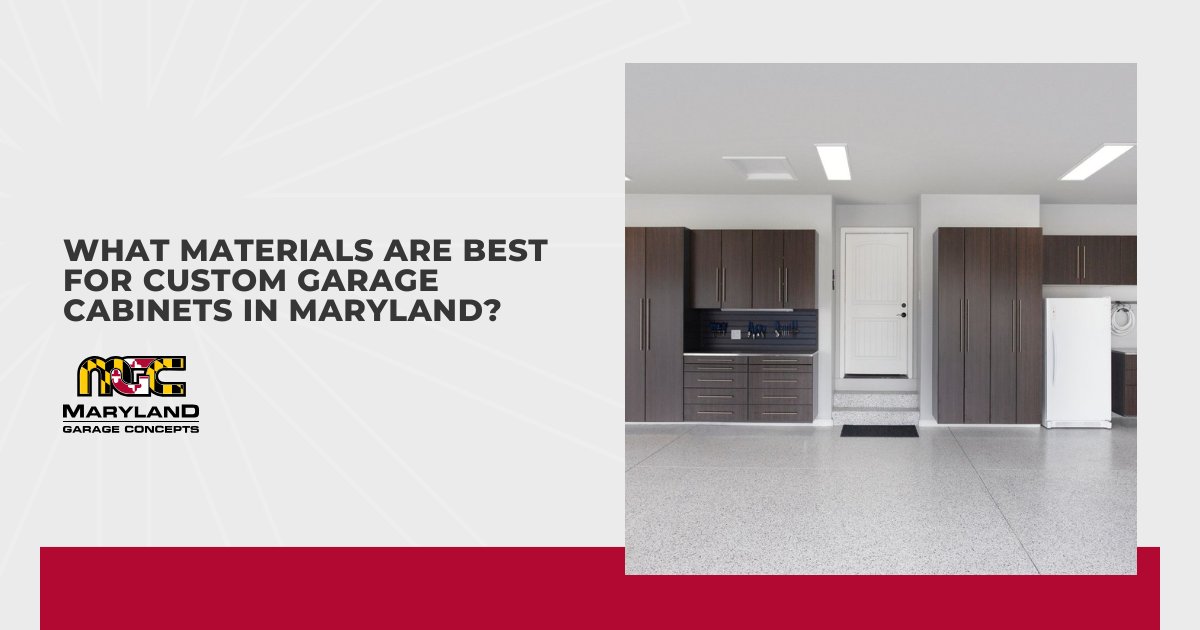
Maryland garages face humid summers, cold winters, and temperature swings that can challenge poorly chosen garage cabinets. The best material depends on how much moisture the space sees, what you plan to store, and how heavily the cabinets will be used. A cabinet system that works well in a dry workshop may not perform as reliably in an attached garage exposed to condensation, damp concrete, or wet equipment. Material quality matters, but construction details such as sealed edges, reinforced joinery, durable finishes, and proper installation matter just as much.


I pay close attention to those details because the cabinet surface is only part of the system. Melamine-coated MDF can provide a clean, durable finish for everyday household storage, while plywood offers stronger support for heavier tools and equipment. Powder-coated steel handles demanding use and moisture particularly well, but its cost, weight, and finish quality deserve consideration before making a decision.


The right garage cabinets should match both Maryland’s changing conditions and the way you use your space. Here’s how the most common materials compare:


  • Melamine-coated MDF: A practical balance of finish and function
  • Plywood: Dependable strength under heavier loads
  • Powder-coated steel: The most resilient option for demanding garages
  • Why particleboard and plastic fall short in garage conditions
  • Choosing the right material based on how you use your garage

The material that looks best on a sample door may not be the one that performs best across an entire garage, especially once storage weight and moisture enter the picture.

Melamine-Coated MDF: A Practical Balance of Finish and Function

If you want garage cabinets with a clean, finished appearance and straightforward maintenance, melamine-coated MDF can be a practical option. Its dense MDF core provides a smooth, consistent base, while the melamine surface helps resist dust, stains, minor spills, and everyday wear. You can wipe the surface clean without repainting or refinishing it whenever the garage gets messy. For household storage, seasonal decorations, sports equipment, and lighter tools, the material offers a useful balance of appearance, durability, and cost.


Cabinet construction is just as important as the visible surface. Edge banding, panel thickness, reinforced joinery, and secure mounting all affect how well the cabinets hold up over time. When I evaluate a melamine cabinet, the edges and connection points tell me more about its long-term reliability than a glossy finish does. Strong hardware and properly supported shelves also help your cabinets handle regular use without unnecessary strain.


Melamine-coated MDF still has limits, especially if your garage regularly experiences standing water or heavy impact. Keep the cabinets away from direct contact with damp concrete, distribute weight evenly, and avoid placing extremely heavy equipment on unsupported shelves. Unprotected seams and edges can absorb moisture even when the outer surface remains intact. Choose this material when your storage needs are moderate, then prioritize stronger construction or another material for areas that must handle concentrated weight or rough treatment.

Plywood: Dependable Strength Under Heavier Loads

Picture the items you want to store in your garage cabinets: power tools, paint cans, automotive parts, or heavy boxes that are awkward to lift. Plywood is a strong choice when your storage system needs to handle that kind of weight without feeling flimsy. Its layered construction gives each panel stability, while the material’s solid core provides dependable support for shelves, doors, and cabinet boxes. You can also customize plywood more easily than many pre-finished materials when your garage layout includes unusual wall lengths or specialized storage needs.


Your results will depend on more than the word “plywood” on a product description. Cabinet-grade and exterior-grade panels offer different levels of performance, and thickness, shelf span, fasteners, and edge treatment all affect the finished system. When I help plan heavier storage, I start with the items you need to store and work backward from their size, weight, and frequency of use. That approach prevents you from paying for premium material where you do not need it and helps place stronger support exactly where it matters.


Plywood still needs protection from moisture, so do not treat it as waterproof. Seal exposed edges, keep the panels away from standing water, and make sure the installation can handle your actual loads. You may not need plywood throughout the garage if some cabinets will hold only holiday décor, clothing, or lightweight household supplies. Choose it for work areas, heavy-duty shelves, or custom sections where strength and secure fastening matter most.

Why Particleboard and Plastic Fall Short in Garage Conditions

Particleboard may seem like a reasonable way to lower the cost of your garage cabinets, especially if you’re storing only a few lightweight items. Humidity, damp concrete, and accidental spills can quickly expose its weaknesses, though. The compressed wood fibers may swell or lose their shape, and shelves can begin to sag when you add paint cans, tools, or other dense belongings. A laminate surface offers some protection, but damaged corners and unfinished edges remain vulnerable. You’ll usually get better long-term performance from particleboard in a dry space with modest storage demands.


Plastic gives you a different set of advantages. It won’t rust, and it handles water and chemical spills better than most wood-based materials, so it can suit gardening supplies, cleaning products, or storage areas where moisture is a regular concern. HDPE is a tougher plastic option worth knowing about, but it still may not provide the rigidity, load capacity, or finished appearance you want from a full cabinet system. I compare the shelf rating with the items you plan to store before treating plastic as a practical choice. Heat can also soften some plastic components, while lower-quality products may become brittle in cold temperatures.


You don’t need to rule out every plastic cabinet if your storage needs are light or your main concern is water resistance. Check the material, shelf capacity, total load rating, anchoring method, and temperature limitations before buying. Heavy tools, automotive parts, and workshop equipment generally need a more rigid construction, while plastic can work well for contained, moderate-weight storage. The right choice depends on what your garage must handle, not simply which material has the lowest price.

Choosing the Right Material Based on How You Use Your Garage

Your storage needs should guide the material you choose for garage cabinets, since holiday decorations place different demands on cabinetry than power tools or automotive equipment. When I help plan a storage system, I start with what you need to store, how often you’ll use it, and what conditions the garage must handle.


  • Heavy items need dependable support: Lightweight household belongings may work well with melamine-coated MDF, while dense tools, automotive parts, and equipment call for stronger shelves and cabinet construction.
  • Moisture can narrow your options: Damp concrete, condensation, wet gear, and winter salt affect materials differently. Choose protected wood, corrosion-resistant steel, or moisture-tolerant finishes based on exposure level.
  • Frequent use puts stress on hardware: Daily access can affect hinges, drawer glides, shelves, and mounting points more quickly than occasional seasonal storage. Look for components designed to handle the way you actually use the space.
  • Appearance influences long-term satisfaction: Melamine delivers a consistent, easy-to-clean finish, plywood allows greater customization, and powder-coated steel creates a more industrial look.
  • Construction matters more than the label: Panel thickness, shelf ratings, edge protection, joinery, hardware, and anchoring all affect performance. Strong installation and thoughtful weight distribution can make a practical material perform better than an expensive one used poorly.

You may find that combining materials gives you the most useful result. Reserve the strongest construction for heavy equipment or work areas, then use more economical options where you’ll store lighter belongings.


Conclusion

Your Maryland garage needs garage cabinets that match what you store, how often you use the space, and how much moisture it encounters. Melamine-coated MDF offers a clean, practical finish for everyday belongings, while plywood provides added strength for heavier loads and custom applications. Powder-coated steel is better suited to demanding work areas where durability, moisture resistance, and frequent handling matter most. I’ve found that matching each material to the job produces better results than expecting one option to work equally well everywhere. Review the cabinet’s construction, hardware, finish, and installation along with the material itself so your storage remains useful and dependable for years.

Share this article

Recent Posts

8 Signs Your Kids' Closet Needs an Upgrade
By Dennis Quintero August 14, 2026
Spot the warning signs your kids' closets are falling behind and learn practical upgrades to keep storage organized and functional as your child keeps growing.

What Drives Up the Cost of a Custom Closet System Beyond the Base Price?
By Dennis Quintero August 12, 2026
Find out exactly what pushes your final quote for a custom closet system well past square footage, from material upgrades to added premium storage accessories.
How to Choose the Right Garage Workbench for Any DIY Project or Hobby
By Dennis Quintero July 10, 2026
Learn how to choose a garage workbench that fits your space, height, budget, and toughest DIY projects, from basic woodworking to weekend repairs and hobbies.
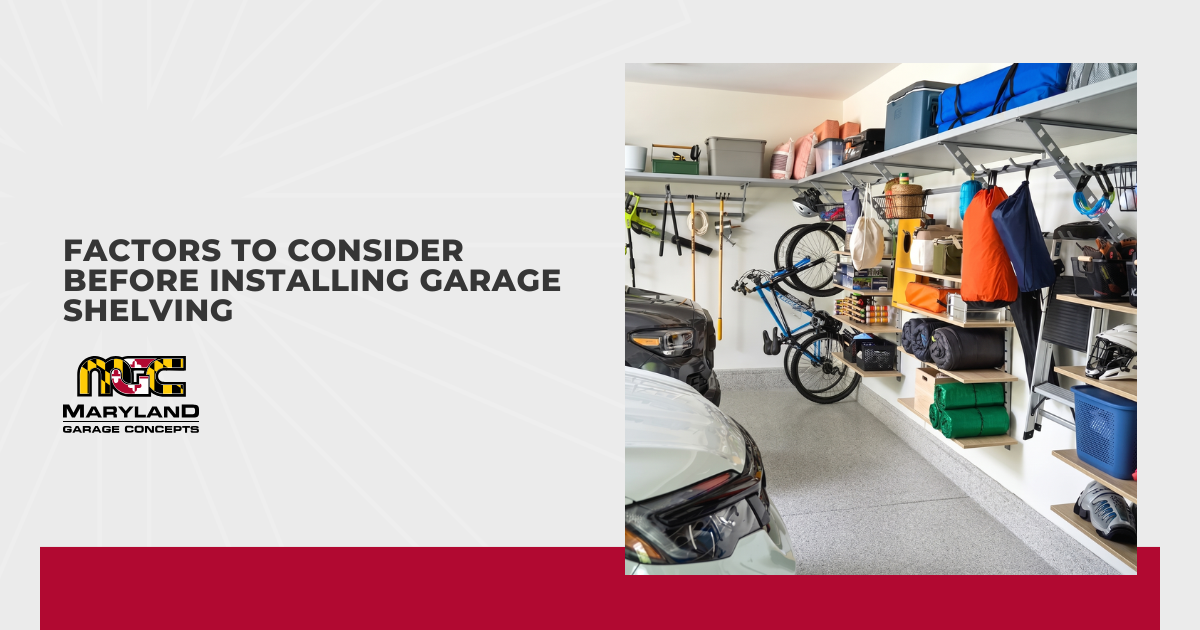
Factors to Consider Before Installing Garage Shelving
By Dennis Quintero July 9, 2026
Learn what to check before installing garage shelving, from weight limits and wall type to material durability, access needs, and overall long-term shelf value.

8 Ways Closet Systems Make Your Daily Routine Less Stressful
By Dennis Quintero June 15, 2026
Explore how closet systems transform your daily routine, from faster mornings and easier outfit planning to smoother seasonal transitions and calmer spaces.

5 Expert Tips for Making a Shared Closet System Work for Any Couple
By Dennis Quintero June 11, 2026
Make your shared closet system work for you and your partner with five expert tips covering intentional space division, customized sections, and shared storage.
How a Custom Garage Storage System Can Transform Your Home
By Dennis Quintero April 7, 2026
Investing in garage organization not only improves functionality but also enhances your overall living environment. Read on to learn more!

Why Professional Garage Organization Beats DIY Every Time
By Dennis Quintero March 12, 2026
Looking to declutter your space? Garage organization experts create efficient, customized storage solutions that save time and enhance your home’s value.
Garage Organization: Common Mistakes Homeowners Make
By Dennis Quintero January 30, 2026
Maryland Garage Concepts shares garage organization tips: skip common mistakes, improve safety, and reclaim space for a clean garage.
Creative Garage Shelving Ideas for Small Spaces
By Dennis Quintero December 17, 2025
A cluttered garage can quickly feel overwhelming, especially when square footage is limited. At Maryland Garage Concepts, small garages are one of the most common challenges homeowners face, which is why smart garage shelving solutions are essential.
Show More