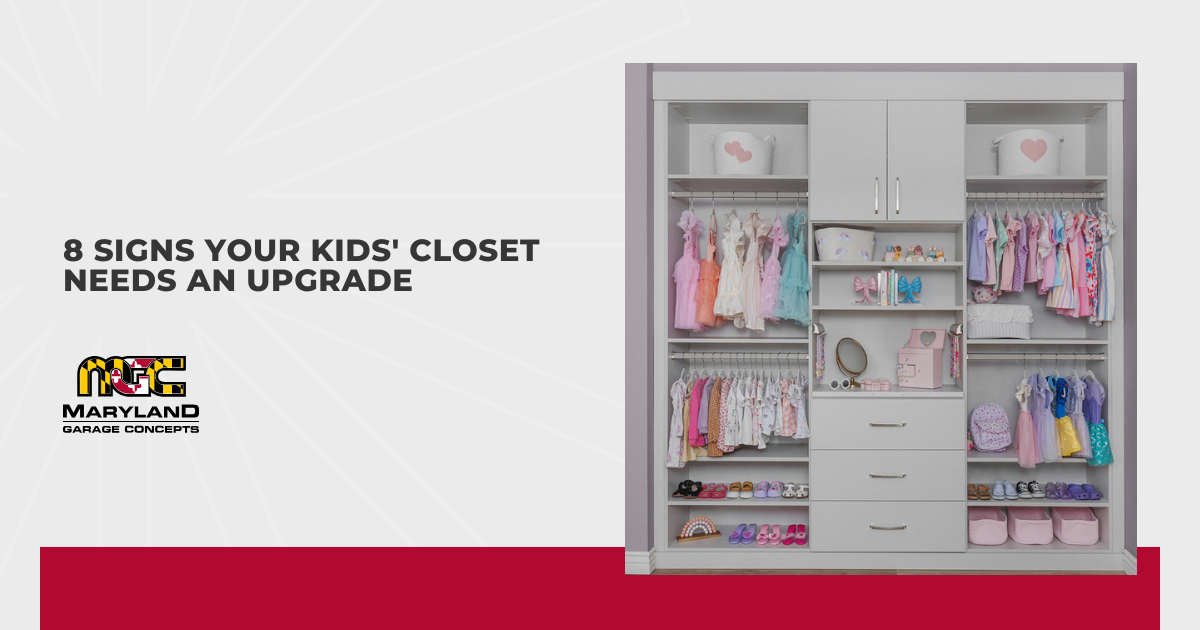
Mornings before school can turn into a treasure hunt when your kid's closet stops working the way it should. Clothes spill out from every direction in plenty of bedrooms I've walked into, and it's rarely because your kid is messy. Most kids' closets are set up like mini adult closets, with a single rod and one shelf that never quite fits how your child actually gets dressed. Frustration usually starts right there, in that gap between the closet and the kid using it.
Growth is what widens that gap year after year, since kids' closets cycle through tiny onesies, then costumes, then sports gear, and storage rarely keeps pace with what your family needs. Growth spurts hit fast, and a closet that can't adjust turns into a game of stacking bins and adding extra rods just to keep up. A closet built to grow with your child, with adjustable shelving and flexible zones, closes that gap instead of letting it stretch further every year. Less digging in the morning means fewer meltdowns before you've even had your coffee.
Once you know what to look for, spotting a closet that's fallen behind gets a lot easier, and these signs tend to show up again and again before the chaos becomes your new routine:
- Clothes pile up fast
- Mornings turn into battles
- Shelves sit out of reach
- Floor doubles as storage
- Hand-me-downs have nowhere to go
- Toys and clothes compete for space
- Closet looks the same as move-in day
- Donations pile up instead of going out
Take a look at these eight and see how many sound familiar in your house.
Clothes Pile Up Fast
Kids grow out of clothes faster than most closets can handle, and that mismatch shows up quick in your house. A single growth spurt can knock out half your child's wardrobe in a matter of weeks, leaving behind clothes that no longer fit but still need somewhere to go. Seasonal gear piles on top of that, since swim trunks and snow boots rarely occupy your closet at the same time, yet both need storage year-round. Sizing turnover alone can double or triple what your closet has to hold compared to just a year earlier.
Cramming everything onto one rod and shelf turns your child's growing wardrobe into a losing battle pretty fast. Clothes get shoved into bins, stacked on the floor, or crammed onto hooks never meant to hold that much weight, and I see that same pattern in kids' closets on nearly every site visit I run. Closets built for a single stage of childhood simply run out of room the moment that stage ends, leaving your family scrambling to catch up.
Outgrown clothes end up mixed in with ones that still fit, which makes every school morning a small excavation project for you and your kid alike. Hand-me-downs waiting for a younger sibling get lost in the shuffle, along with clothes that should've been donated months ago. A closet with defined zones for current sizes, seasonal rotation, and hand-me-downs keeps that pileup from happening in your home in the first place. Growth stops being the enemy once your storage system is built to keep pace with it.
Mornings Turn Into Battles
Every school morning starts on a clock, and a disorganized closet eats into that time before breakfast even hits the table. Shoes end up buried under a pile of clothes, one sock turns up missing, and the matching outfit that seemed easy to find last night has vanished into a heap in kids' closets across plenty of households. Stress sets in fast once the clock starts working against the whole family.
An upgraded closet solves that scramble by giving every item its own spot, so your kid stops guessing and starts grabbing. Shoe cubbies at kid height, labeled bins for shirts and pants, and a designated hook for backpacks turn the morning into a routine instead of a search party. I've helped families cut their morning prep time by putting outfits and gear exactly where a kid can reach them without help.
Bins labeled by category or day of the week let your child get dressed independently, which frees you up to focus on breakfast instead of refereeing a hunt for shoes. Pull-out hampers and designated homework-and-backpack zones keep tomorrow's gear staged and ready the night before. Fewer battles over missing shoes means a calmer start for everyone in the house. A closet that works with your kid's routine, instead of against it, pays off every single morning.
Shelves Sit Out of Reach
Most closets get built with a single rod height and one shelf, set for an adult's reach instead of a kid's. A toddler's tiny wardrobe fits fine into that setup, but it stops making sense the moment your child grows tall enough to want independence in getting dressed. Shirts and jackets end up crammed onto a rod your kid can't reach without a step stool, and that shelf up top might as well be on the moon in most kids' closets I come across. Every piece of clothing above eye level turns into something only you can grab, which keeps your kid dependent on help for a task they're ready to handle alone.
Rigid, one-size shelving locks a closet into serving just one stage of childhood, and that stage passes faster than most parents expect. A rod set at toddler height turns useless once your child hits elementary school, and a rod set too high stays useless until years later. Basic tasks like grabbing a jacket turn into a two-person job once the gap between shelf height and kid height gets wide enough. Fixed shelving asks a growing kid to adapt to the closet instead of the other way around.
Adjustable rods and shelving solve that mismatch by moving as your child grows, something I build into nearly every kids' room I design. Lower rods for now, with the option to raise them later, mean your kid can dress independently years earlier than a fixed setup allows. Reaching a jacket without help turns into a small win that adds up fast for a growing kid.
Floor Doubles as Storage
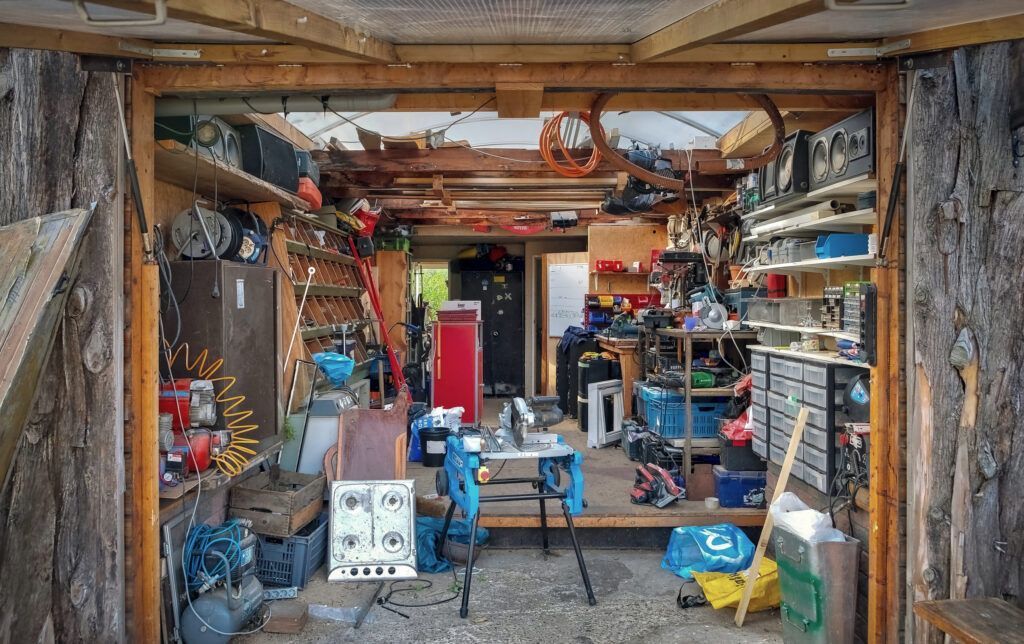
Clothes end up on the floor when a closet runs out of proper places to put them, and toys pile on top soon after. A dresser drawer stuffed past capacity means the next shirt gets tossed on the ground instead, and that pattern repeats until the floor becomes the default storage spot. Stuffed animals, action figures, and loose puzzle pieces creep in from the bedroom, turning a small closet into a catch-all for anything that doesn't have a home elsewhere. I see this exact overflow in kids' closets more than almost anything else during a design consultation.
Once the floor becomes usable storage space, it stops functioning as floor space at all, and getting dressed turns into an obstacle course. Shoes get lost under piles of clothes, toys end up stepped on, and finding anything specific turns into digging through a mess that keeps growing. Vertical space above and around the mess sits empty the whole time, even though it could easily hold everything currently scattered on the ground.
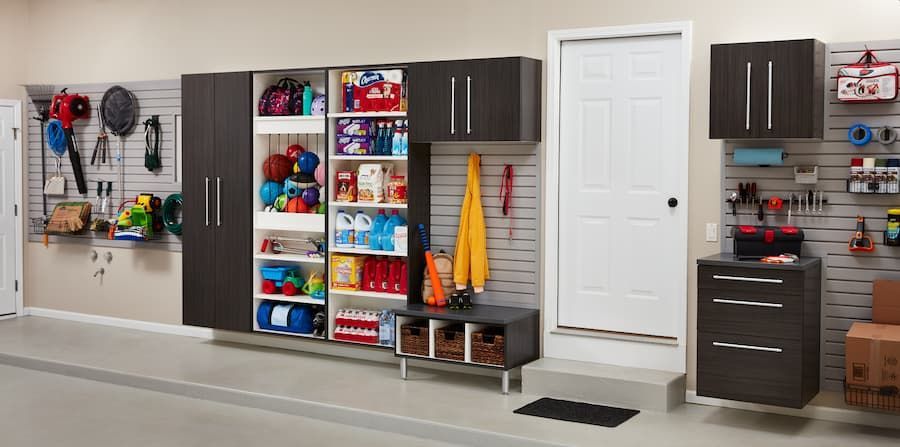
Dedicated bins, cubbies, and shelving give toys and clothes separate zones so neither one ends up competing for floor space. Baskets sized for stuffed animals or toy bins built into the closet system keep playthings contained without spilling into the clothing area. Clear floor space cuts down on tripping hazards and a lot of the frustration that comes with a daily search for missing items.
Hand-Me-Downs Have Nowhere to Go
Outgrown clothes need somewhere to wait until your younger kid grows into them, and most closets don't have a spot set aside for that in-between stage. Clothes that no longer fit get shoved to the back of a drawer or tossed in a bag headed for the attic, and that bag often sits forgotten for years. Sizes get mixed up in storage, seasons get confused, and by the time your younger child actually needs those clothes, half of them have gone missing or gotten damaged. Storage without a system turns your hand-me-downs into a gamble instead of a resource.
Bins and shelving without labels or dividers make it nearly impossible to track what's ready for your younger kid and what still needs sorting in most kids' closets I walk into. Buying replacement clothes ends up feeling faster than digging through unlabeled storage, even when perfectly good clothes sit somewhere in your closet the whole time. Design consultations turn up entire bins of usable clothes more often than you'd expect, sitting forgotten years after they would've actually fit. Every wasted hand-me-down adds up to real money spent on clothes you already owned.
A dedicated hand-me-down zone, sorted by size and labeled clearly, keeps your outgrown clothes ready the moment your younger kid needs them. Clear bins or shelving sections built into your closet system turn passing down clothes into a five-minute task instead of an all-day search. Your kid gets the clothes on time, and your wallet stays a little fuller in the process.
Toys and Clothes Compete for Space
Closets built for clothes alone end up housing toys too, since kids' rooms rarely have enough separate storage to keep everything sorted. Action figures end up wedged onto a shoe shelf, board games get stacked next to folded shirts, and stuffed animals claim whatever open space is left on a shelf meant for sweaters. Your kid's hanging clothes get shoved to one side to make room for a toy bin that never should've ended up there in the first place. Space that should hold school clothes and pajamas ends up split between two totally different categories of stuff.
Neither category benefits from that split, since clothes get wrinkled under toy bins and toys get buried under laundry. Finding a specific shirt means moving three toys out of the way first, and putting a toy back means shoving aside whatever clothing item is currently blocking that spot. Your kid learns fast that neither space works well, and giving up on organization altogether starts to feel easier.
Kids' closets work best when toys get their own designated zone, separate from anything meant for wearing. Cubbies or bins sized for toys, tucked into a lower section your kid can reach, keep playthings contained without spilling into your clothing space, something I design into almost every kids' closet I build these days. Your closet ends up serving two purposes without either one getting in the other's way.
Closet Looks the Same as Move-In Day
Builder-grade wire shelving and a single rod are standard in most homes, installed once and never touched again no matter how much a family's needs change. Your kid was a newborn when that closet got installed, and now they're old enough to pick out their own outfits, yet the shelving hasn't moved an inch. Wire shelving sags under weight over time, leaves marks on delicate fabric, and offers zero flexibility for anything beyond hanging shirts and pants. Years of changing needs run straight into a setup that never adapted to any of them.
Growing up happens a lot faster than most closets can keep up with, and your kid's storage is likely still stuck serving a much younger version of them. Toddler clothes needed a different setup than elementary school clothes, and elementary school clothes need something different than what your preteen will want in a few years. Sticking with the original build means falling further behind your kid's actual life stage with every passing year, a pattern that shows up in kids' closets more than any other room in the house. Every year without an update widens that gap a little more for your family.
An upgrade brings your kid's storage into the present, matching current sizes, current habits, and current independence level instead of a builder's generic template from years ago. My design process starts by mapping out exactly what your kid needs right now, then builds in room to adjust as things change. Getting a space that works the way your family actually lives today makes all the difference compared to one stuck in move-in day.
Donations Pile Up Instead of Going Out
Clothes that no longer fit your kid pile up in bags meant for donation, and those bags often sit in a corner for months without actually making it out the door. Sorting through outgrown items takes time nobody has on a random Tuesday, so the bag gets pushed aside for "later" and later never quite arrives. Storage without a dedicated spot for outgoing items means those clothes compete for space with everything your kid still wears. Every bag sitting untouched takes up room a growing wardrobe genuinely needs.
Deciding what's worth keeping and what's ready to go gets harder without a clear system guiding that choice. Clothes end up sorted by guesswork instead of a real process, and plenty of usable items end up tossed simply because nobody wants to spend time deciding. Good intentions to donate quietly turn into clutter that just sits there instead.
Built-in donation zones keep that sorting process moving instead of stalling out. My designs usually include a labeled bin or shelf specifically for outgoing items, so decluttering happens in small steps rather than one overwhelming purge. Clothes actually make it to a donation center instead of gathering dust in kids' closets for another season.
Conclusion
Kids' closets fall behind fast when growth, mess, and changing needs outpace whatever storage system came with the house. Growth spurts, morning chaos, and shelving that never adjusted all trace back to the same root problem, and every one of them has a straightforward fix. Catching these patterns early saves you from bigger headaches down the road, whether that means a full closet overhaul or a few targeted upgrades. Your kid's closet can absolutely keep up with how fast they grow, once it's built with that growth in mind from the start.