Best Practices for Using Garage Shelving for Household Overflow in Maryland
Dennis Quintero • November 12, 2026

Best Practices for Using Garage Shelving for Household Overflow in Maryland

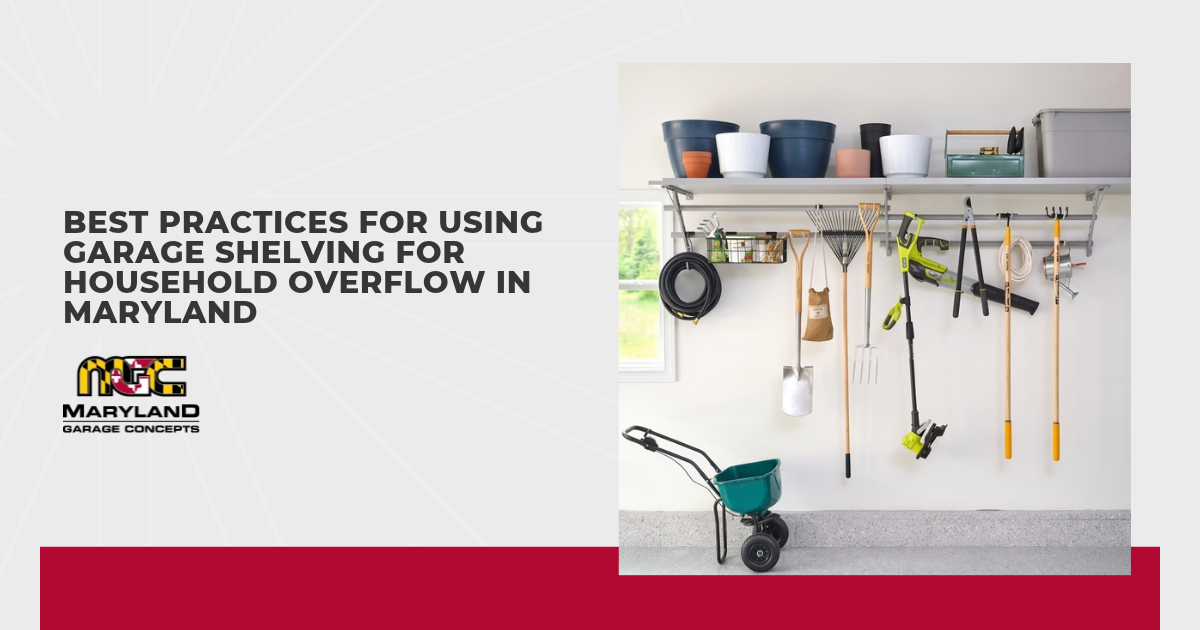
Garage shelving works best for household overflow when it holds items suited to the garage’s conditions, grouped so they’re easy to find and put away. Maryland’s seasonal temperature changes make that first decision especially important in a garage without heating or air conditioning. I suggest starting with what you can store there, then planning shelf spacing around your containers, keeping heavier items within comfortable reach, and leaving room for parking and walking.


Labels and regular reviews help keep that arrangement useful as your belongings come and go. A bin marked “Outdoor holiday decorations” saves you more searching than one marked “Miscellaneous,” especially when several containers look alike. Checking what you’ve already stored before adding another box also helps prevent duplicates and keeps temporary overflow from becoming a permanent pile.


Let’s look at six practices that can help you get more use from garage shelving:


  • Store only items suited to garage conditions
  • Group household overflow by use
  • Fit shelves and containers to the available space
  • Keep loads within limits and heavy items within reach
  • Label contents for easy retrieval
  • Review stored items before adding more

Store Only Items Suited to Garage Conditions

Before moving overflow out of the house, separate the belongings you still use from duplicates, donations, and things that need discarding. Durable decorations, empty plastic planters, and washable outdoor serving trays can be good candidates for garage shelving. Their materials and storage instructions still matter, especially in a garage that gets hot in summer or cold in winter. Important papers, family photographs, and sensitive keepsakes belong in a more stable indoor environment, since plastic bins don’t protect them from temperature changes and humidity.


Check the spot where you plan to store things, too. Water stains, recurring condensation, or dampness after rain deserve attention before belongings go onto the shelves. Elevating a container reduces contact with a wet floor, but it doesn’t control moisture in the air or stop a leak above it. Pack suitable items only after they’re clean and dry, and avoid treating a tightly closed lid as a solution for damp contents.

Group Household Overflow by Use

Give each category a regular place so putting something away doesn’t mean searching for an empty spot. Holiday decorations can occupy one shelf area, while durable entertaining supplies stay together in another. Group belongings around how you use them, rather than filling a bin with unrelated items simply because they fit. For example, outdoor serving trays and reusable picnic dishes are easier to find when they share a location.


My advice is to make the categories specific enough that everyone in the household knows where things belong. Labels such as “Outdoor party supplies” are more helpful than “Extra household stuff,” but there’s no need to create a separate category for every object. Keep household overflow apart from automotive products and garden chemicals, following those products’ storage directions. Reserve a small, defined area for temporary items awaiting return or donation, with a date to move them along.

Fit Shelves and Containers to the Available Space

Measure the belongings and containers you plan to keep before deciding how much shelf space they need. Include lids and handles, which can extend beyond a bin’s base, and allow room to grip the container when lifting it out. Shelf spacing should let you remove a bin without tipping it sharply or scraping its lid against the shelf above. Smaller items are easier to lose behind deep rows, so extra depth isn’t always an advantage.


Where you put garage shelving also needs to work with your vehicles parked in their usual spots. Leave room to open car doors, carry a container, and reach the door into the house. Access to electrical panels, water heaters, and garage door equipment needs to remain unobstructed, with applicable clearances maintained. Marking the proposed shelf footprint on the floor can help you spot a tight passage before committing to the arrangement.

Keep Loads Within Limits and Heavy Items Within Reach

Check the weight limits listed for your garage shelving, including any instructions about spreading loads evenly. Don’t assume the rating for one shelf section applies to every part of the system. Count the weight of the containers as well as their contents, and avoid concentrating dense items in one small area. The shelving manufacturer or installer can explain any limits that aren’t obvious from the product information.


For everyday use, I pay as much attention to what you can comfortably lift as to what the shelf can hold. A shelf may support a full bin that’s awkward for you to bring down, so divide dense contents into smaller containers where needed. Keep heavier belongings on lower shelves at a manageable lifting height and reserve higher positions for lighter items used less often. Use a suitable step stool or ladder for access, rather than climbing on shelves or standing on bins.

Label Contents for Easy Retrieval

Label the side of each container that faces the walking route so you can identify it without pulling it down. Specific descriptions such as “Patio table decorations” or “Empty gift bags” spare you more digging than broad labels like “Seasonal” or “Miscellaneous.” For a mixed bin, add a short contents list beside the main label. Keep the wording simple enough that another household member could find what you’re asking for.


Even a useful label won’t help much if the container is buried behind three others. Position frequently used belongings where you can retrieve them without unloading a stack, and place occasional-use items farther back only when access remains manageable. Avoid stacking containers so high that removing the bottom one becomes a project. Update the label whenever the contents change, rather than relying on everyone to remember what moved.

Review Stored Items Before Adding More

Before buying another household item or bringing out another box, check what’s already on the shelves. A quick inventory may reveal spare supplies you’ve forgotten or a container that’s mostly empty. Seasonal changeovers are a convenient time to make those checks because you’re already handling decorations or other occasional-use belongings. Revisit temporary storage at the same time and decide what should return indoors, stay, or leave the home.


I encourage keeping a little room available on garage shelving so returning a bin doesn’t require rearranging everything around it. During each review, look for damp contents, damaged containers, or visible problems with the shelving that need attention. After heavy rain or winter snowmelt, check any areas of your Maryland garage that have previously become wet. Regular attention to the contents and their condition helps keep overflow manageable without waiting for another major cleanout.


Conclusion

Garage shelving can make household overflow easier to manage when the belongings suit the space, the loads stay within limits, and everything has an accessible place. Grouping related items and labeling containers helps you find what you need without unpacking several boxes. To me, keeping the arrangement manageable matters just as much as getting it organized in the first place. Checking what you’ve stored when swapping seasonal items helps you spot damage, remove things you no longer need, and leave room to put belongings back.

Share this article

Recent Posts

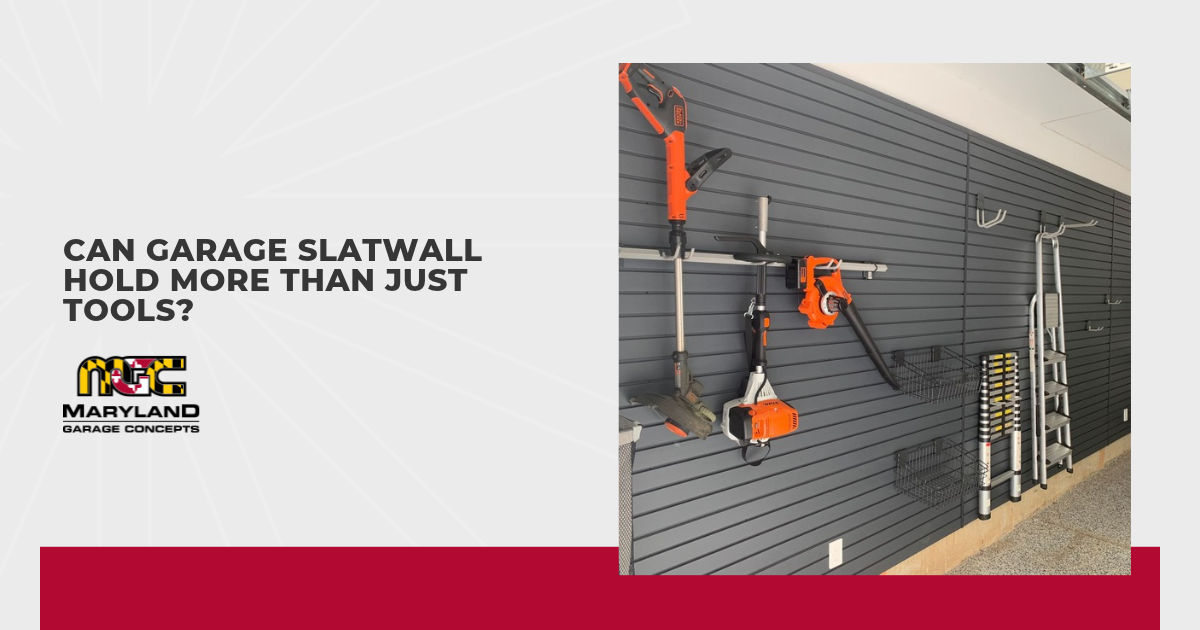
Can Garage Slatwall Hold More Than Just Tools?
By Dennis Quintero • October 12, 2026
Find out what garage slatwall can hold beyond tools, from your sports gear and bikes to hoses and holiday bins, and when another storage solution fits better.

By Dennis Quintero • October 12, 2026
Some mornings call for a sweater, while others have you reaching for a lighter shirt. It's frustrating when the clothes you need are packed away and the ones you won't wear are still taking up space. I don't think making walk-in closets work year-round should require a complete reset every few months. Keeping daily favorites in familiar places and giving seasonal items room to rotate can make the change much easier. Maryland winters mean bulky sweaters that need more shelf space than T-shirts, and tall boots that won't fit every shoe opening. In a shared closet, one person may also have far more seasonal clothing than the other. Allowing for those differences gives each of you somewhere to put things without squeezing everything into the same arrangement every season. Sometimes that means adjusting a shelf, while other situations call for moving clothes you won't wear for several months into separate storage. Seasons change, but a walk-in closet can keep up when its layout gives each kind of clothing room to move. I share these decisions so you can spot which ones your closet needs most: Plan for your bulkiest season Keep everyday clothes and light layers within reach Use shelves and hanging sections that can adapt Make room for boots, shoes, and seasonal accessories Choose an accessible place for off-season clothes Prepare clothing before putting it away Follow a simple seasonal reset An easy place to spot what needs attention is the part of your wardrobe you always struggle to fit.
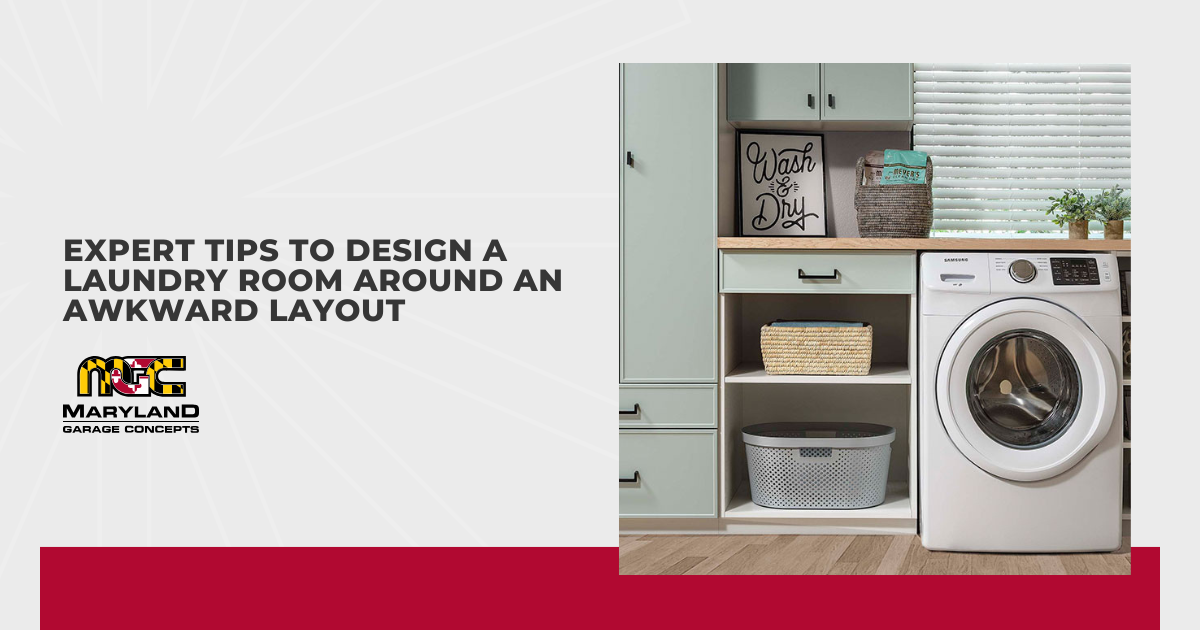
Expert Tips to Design a Laundry Room Around an Awkward Layout
By Dennis Quintero • September 9, 2026
Get practical laundry room design tips for working around tight spaces, fixed features, appliance clearances, difficult corners, and unusual room layouts well.

What Materials Are Best for Custom Garage Cabinets in Maryland?
By Dennis Quintero • September 4, 2026
Compare garage cabinets made from melamine, plywood, and powder-coated steel to choose the right material for your Maryland garage, storage needs, and budget.

8 Signs Your Kids' Closet Needs an Upgrade
By Dennis Quintero • August 14, 2026
Spot the warning signs your kids' closets are falling behind and learn practical upgrades to keep storage organized and functional as your child keeps growing.

What Drives Up the Cost of a Custom Closet System Beyond the Base Price?
By Dennis Quintero • August 12, 2026
Find out exactly what pushes your final quote for a custom closet system well past square footage, from material upgrades to added premium storage accessories.
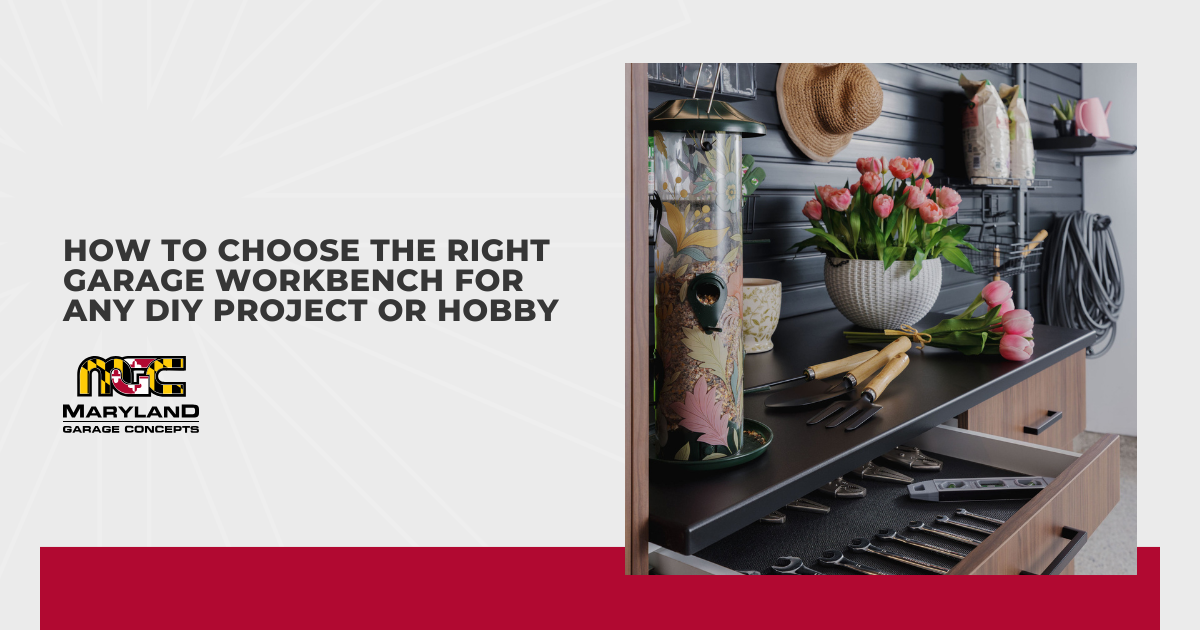
How to Choose the Right Garage Workbench for Any DIY Project or Hobby
By Dennis Quintero • July 10, 2026
Learn how to choose a garage workbench that fits your space, height, budget, and toughest DIY projects, from basic woodworking to weekend repairs and hobbies.
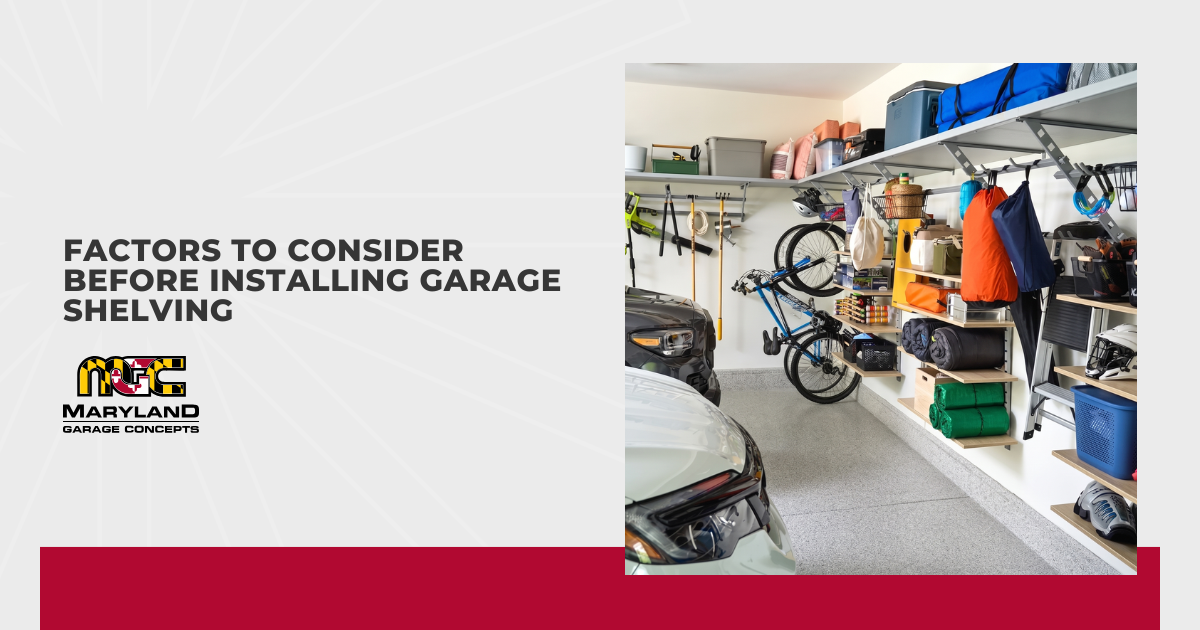
Factors to Consider Before Installing Garage Shelving
By Dennis Quintero • July 9, 2026
Learn what to check before installing garage shelving, from weight limits and wall type to material durability, access needs, and overall long-term shelf value.

8 Ways Closet Systems Make Your Daily Routine Less Stressful
By Dennis Quintero • June 15, 2026
Explore how closet systems transform your daily routine, from faster mornings and easier outfit planning to smoother seasonal transitions and calmer spaces.

5 Expert Tips for Making a Shared Closet System Work for Any Couple
By Dennis Quintero • June 11, 2026
Make your shared closet system work for you and your partner with five expert tips covering intentional space division, customized sections, and shared storage.
Show More