What Causes Reach-In Closets to Feel Crowded Even After Decluttering?
Dennis Quintero • November 16, 2026

What Causes Reach-In Closets to Feel Crowded Even After Decluttering?

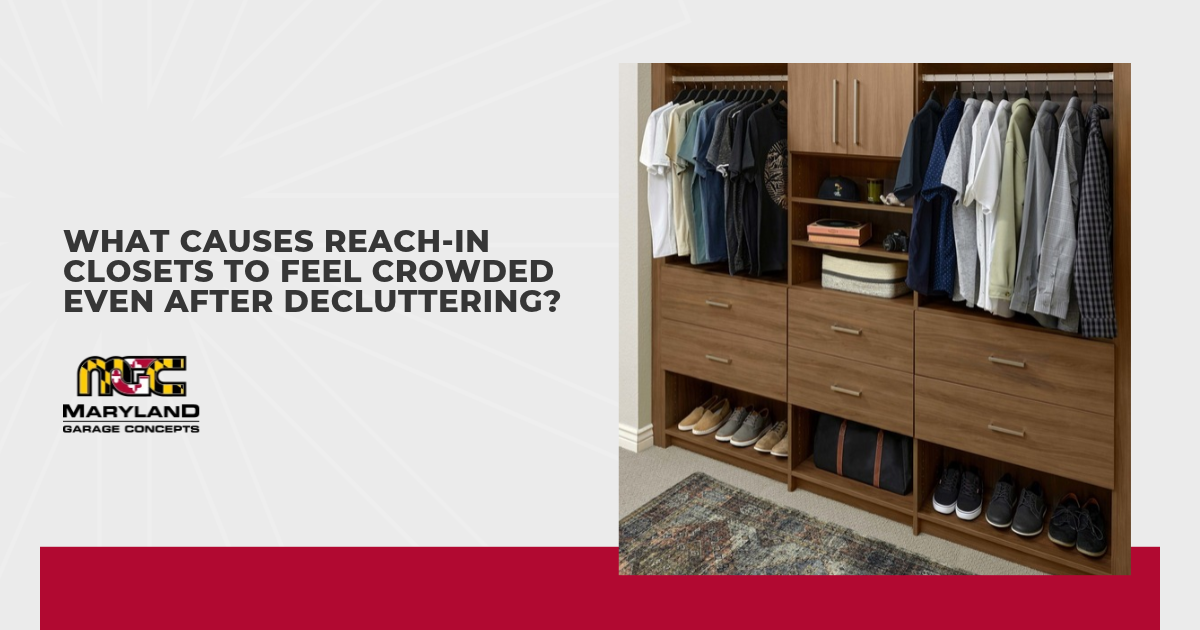
Decluttering reduces how much you own, but reach-in closets may still feel crowded when hanging space is cramped, shelves are awkwardly spaced, or belongings block access to one another. Even clothes you wear regularly become difficult to manage if putting away one shirt means squeezing several others aside. Empty space elsewhere in the closet doesn’t help unless it’s usable for the things that need a home.


After spending time sorting and donating, it’s understandable to feel disappointed when the closet barely seems different. I wouldn’t assume that means you haven’t let go of enough. Looking at what makes an ordinary task difficult, such as reaching a bag or returning folded laundry, gives you a more useful starting point.


Here’s how eight common storage problems leave reach-in closets feeling crowded:


  • One hanging rod leaves clothes crowded and space unused
  • Shelf spacing doesn’t fit what you store
  • Deep shelves hide items behind other belongings
  • Door openings make parts of the closet difficult to reach
  • Shoes and accessories spill into clothing space
  • Bulky hangers and containers take up too much room
  • Poor lighting makes the contents hard to see
  • Everyday clothing competes with household overflow

One Hanging Rod Leaves Clothes Crowded and Space Unused

Shirts, jackets, trousers, and long dresses often end up sharing one rod despite needing different amounts of vertical room. I suggest checking how much space sits empty beneath shorter garments while their hangers are squeezed together above. Plenty of unused room below doesn’t make it any easier to slide a shirt off the rail.


Separate short- and long-hanging areas may put that unused space to work in reach-in closets. Double hanging works for shorter clothing, but adding a second rod everywhere would leave dresses and coats without enough length. Planning around the wardrobe you’ve kept helps avoid replacing one awkward arrangement with another.

Shelf Spacing Doesn’t Fit What You Store

Fixed shelves in reach-in closets may leave large gaps above folded shirts while offering too little room for taller bags. Stacking more clothing into those gaps seems sensible until pulling out one item brings the pile down. Belongings then spread onto neighboring shelves because the original space is difficult to use.


To see where spacing could improve, measure a manageable stack of folded clothing and compare it with the opening above the shelf. My preference is to leave enough room to lift items out without encouraging stacks that are difficult to maintain. Adjustable spacing, where available, lets you fit the storage more closely to the contents rather than forcing everything into identical openings.

Deep Shelves Hide Items Behind Other Belongings

Before treating a deep shelf as extra capacity, I recommend checking whether you can reach the back without emptying the front. Folded clothes and small bags easily disappear behind larger belongings. Eventually, the front edge becomes crowded because it’s the only part you use regularly.


Making better use of the depth starts with keeping the rear contents accessible. Removable containers can help in reach-in closets, provided they fit the opening and remain comfortable to lift. Grouping related items inside lets you bring them forward at once, without reaching past loose belongings. Frequently used items still belong where retrieving them won’t require moving several unrelated things.

Door Openings Make Parts of the Closet Difficult to Reach

Interior width doesn’t tell the whole story about usable storage. In reach-in closets, side walls and door positions may leave some sections difficult to access even when there’s space inside. Sliding doors, for example, expose only part of the opening at a time, which affects where belongings are easiest to retrieve.


Limited access often pushes frequently used clothes toward the opening while awkward side sections remain underused. The same restriction affects drawer placement, since drawers need room to extend without hitting the doors. For me, the useful test is whether you can reach an item and return it through the available opening without shifting something else first.

Shoes and Accessories Spill Into Clothing Space

Shoes lined beneath hanging clothes can make the lower part of a closet difficult to use. Bags may slump into one another on a shelf, while belts and scarves become tangled with other belongings. I encourage giving these items assigned storage instead of expecting them to fit wherever clothing leaves a gap.


Appropriately sized shoe shelves, dividers, or accessory holders give smaller belongings a place in reach-in closets. Match those options to what you own and how you use it, rather than how many compartments an organizer offers. Leave enough room to return a pair of shoes or a bag without rebuilding the arrangement around it.

Bulky Hangers and Containers Take Up Too Much Room

Organizers occupy space as well as create order. Wide hangers use more rail length, and bins with flared sides or oversized handles can leave gaps between containers. Several small mismatches can add up to noticeably less usable storage in reach-in closets.


Reducing that bulk calls for some judgment, and I wouldn’t replace every hanger with the thinnest option. Heavier coats and structured garments still need suitable support, so match hangers to the clothing they hold. Apply the same approach to containers by comparing their dimensions with the actual shelf space. Keep organizers that make belongings easier to handle, and reconsider ones that remain partly empty while crowding neighboring items.

Poor Lighting Makes the Contents Hard to See

Shadows beneath shelves and at the sides of the opening can make a closet difficult to search even after you’ve reduced its contents. I find visibility worth checking before assuming another storage accessory is needed. Similar-colored clothes, overlapping bags, and dark corners make it harder to tell what’s available at a glance.


Without a good view, searching by touch or pulling items forward can disturb otherwise organized shelves. Suitable closet lighting helps, along with shorter stacks and arrangements that keep belongings visible. Better visibility won’t increase the capacity of reach-in closets, but it can make existing space easier to use without repeatedly disrupting it.

Everyday Clothing Competes With Household Overflow

Reach-in closets sometimes hold bedding, luggage, gift supplies, and seasonal decorations alongside the clothes worn every week. Decluttering the wardrobe alone won’t resolve the crowding if those other belongings still occupy much of the shelf space. Items worth keeping don’t necessarily need to stay in this particular closet.


Deciding what belongs there starts with how often you use each category and which belongings need the easiest access. My advice is to keep everyday dressing needs convenient and move occasional-use items to another suitable indoor location where one is available. Without another storage area, setting aside a defined amount of room for each category helps reveal what the closet can realistically accommodate while remaining usable.


Conclusion

A closet feels less crowded when there’s enough room to reach what you need and put it back without moving other belongings. For reach-in closets, I recommend focusing on the area that causes the most frustration before changing the entire layout. Better shelf spacing, a more suitable hanging arrangement, or a different home for spare bedding may be enough to ease that pressure. The aim is to make everyday use easier while preserving the progress you’ve already made through decluttering.

Share this article

Recent Posts

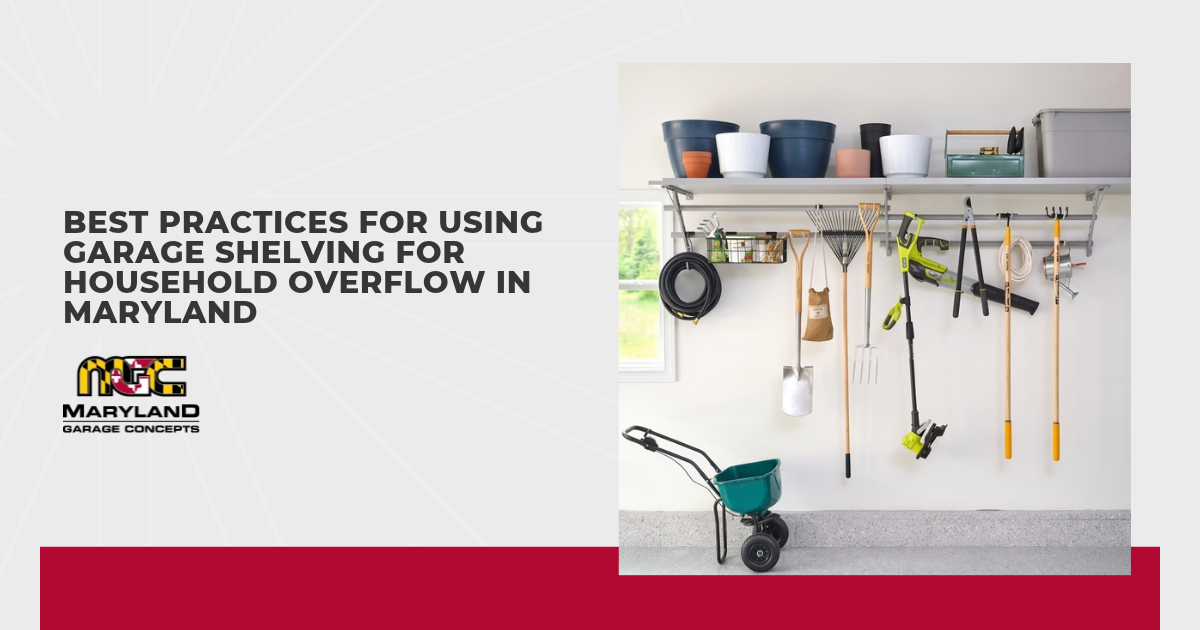
Best Practices for Using Garage Shelving for Household Overflow in Maryland
By Dennis Quintero • November 12, 2026
Keep household overflow organized with garage shelving in Maryland using practical tips on suitable items, weight limits, container labels, and everyday access.
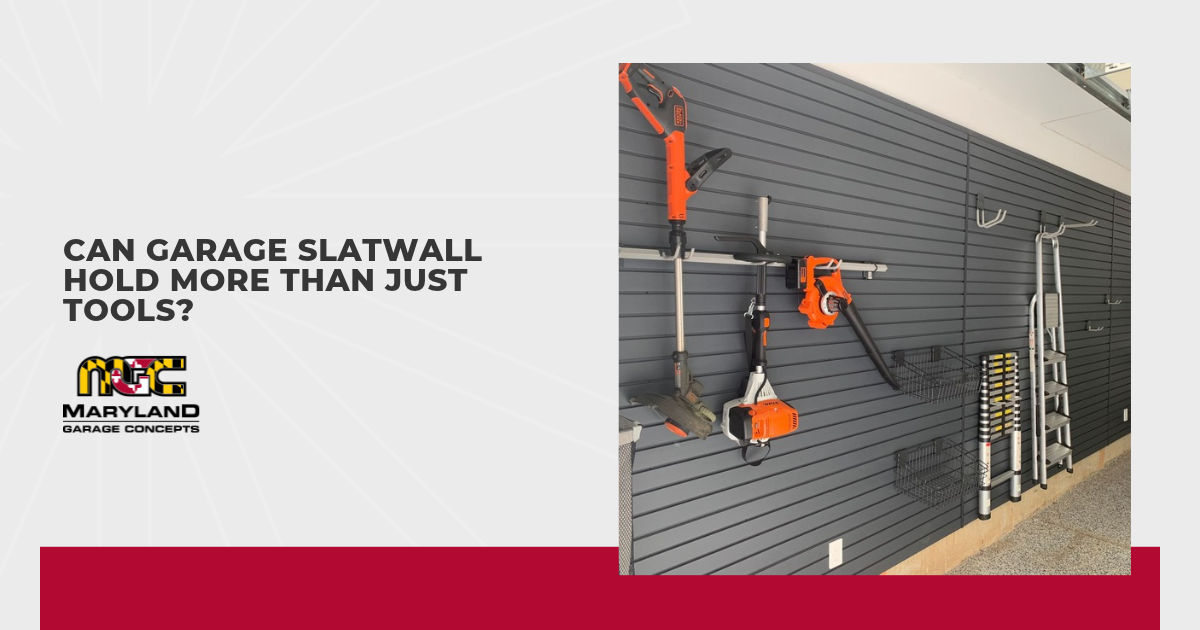
Can Garage Slatwall Hold More Than Just Tools?
By Dennis Quintero • October 12, 2026
Find out what garage slatwall can hold beyond tools, from your sports gear and bikes to hoses and holiday bins, and when another storage solution fits better.
By Dennis Quintero • October 12, 2026
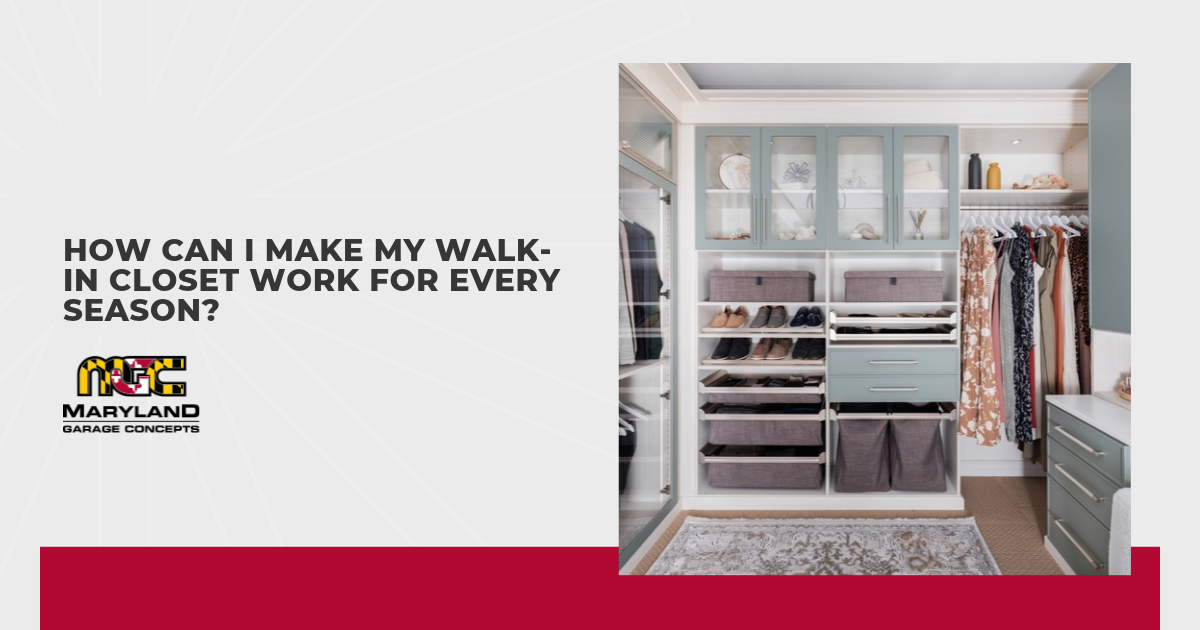
Some mornings call for a sweater, while others have you reaching for a lighter shirt. It's frustrating when the clothes you need are packed away and the ones you won't wear are still taking up space. I don't think making walk-in closets work year-round should require a complete reset every few months. Keeping daily favorites in familiar places and giving seasonal items room to rotate can make the change much easier. Maryland winters mean bulky sweaters that need more shelf space than T-shirts, and tall boots that won't fit every shoe opening. In a shared closet, one person may also have far more seasonal clothing than the other. Allowing for those differences gives each of you somewhere to put things without squeezing everything into the same arrangement every season. Sometimes that means adjusting a shelf, while other situations call for moving clothes you won't wear for several months into separate storage. Seasons change, but a walk-in closet can keep up when its layout gives each kind of clothing room to move. I share these decisions so you can spot which ones your closet needs most: Plan for your bulkiest season Keep everyday clothes and light layers within reach Use shelves and hanging sections that can adapt Make room for boots, shoes, and seasonal accessories Choose an accessible place for off-season clothes Prepare clothing before putting it away Follow a simple seasonal reset An easy place to spot what needs attention is the part of your wardrobe you always struggle to fit.
Expert Tips to Design a Laundry Room Around an Awkward Layout
By Dennis Quintero • September 9, 2026
Get practical laundry room design tips for working around tight spaces, fixed features, appliance clearances, difficult corners, and unusual room layouts well.
What Materials Are Best for Custom Garage Cabinets in Maryland?
By Dennis Quintero • September 4, 2026
Compare garage cabinets made from melamine, plywood, and powder-coated steel to choose the right material for your Maryland garage, storage needs, and budget.
8 Signs Your Kids' Closet Needs an Upgrade
By Dennis Quintero • August 14, 2026
Spot the warning signs your kids' closets are falling behind and learn practical upgrades to keep storage organized and functional as your child keeps growing.

What Drives Up the Cost of a Custom Closet System Beyond the Base Price?
By Dennis Quintero • August 12, 2026
Find out exactly what pushes your final quote for a custom closet system well past square footage, from material upgrades to added premium storage accessories.
How to Choose the Right Garage Workbench for Any DIY Project or Hobby
By Dennis Quintero • July 10, 2026
Learn how to choose a garage workbench that fits your space, height, budget, and toughest DIY projects, from basic woodworking to weekend repairs and hobbies.
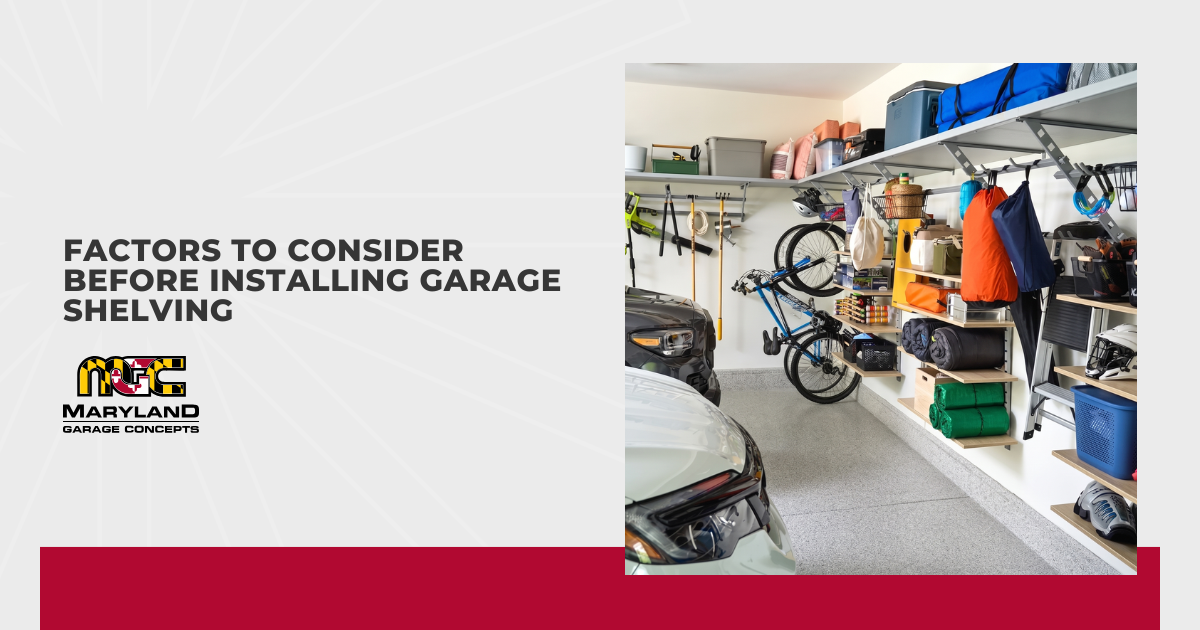
Factors to Consider Before Installing Garage Shelving
By Dennis Quintero • July 9, 2026
Learn what to check before installing garage shelving, from weight limits and wall type to material durability, access needs, and overall long-term shelf value.
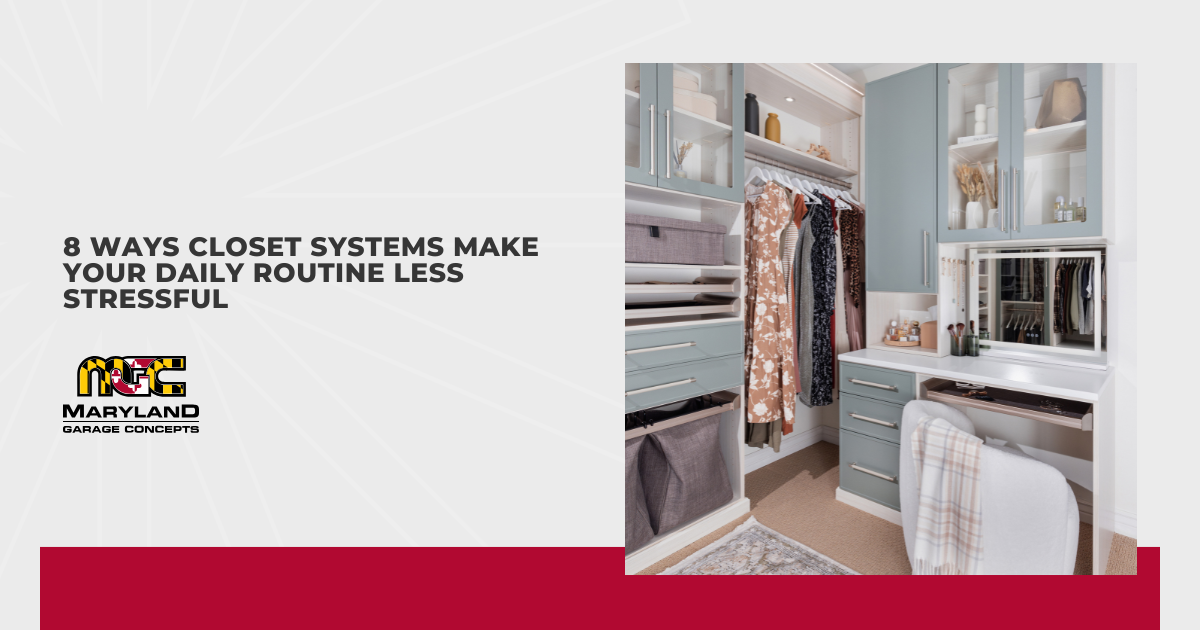
8 Ways Closet Systems Make Your Daily Routine Less Stressful
By Dennis Quintero • June 15, 2026
Explore how closet systems transform your daily routine, from faster mornings and easier outfit planning to smoother seasonal transitions and calmer spaces.
Show More